Though the aesthetic medicine market has been shaken up in recent years, society’s acceptance has become an undeniable growth factor, with turnover of over 23.4 billion euros expected by 2030 and 30% growth over the next 5 years, according to crossover studies by IMCAS, the Boston Consulting Group (BCG) and Cetas Healthcare Intelligence.
The field is certainly resilient, especially with the boom in botulinum toxin, which is fast becoming the gold-standard treatment thanks to its natural-looking results, and biostimulators, which are also enjoying healthy growth. It is also worth noting the breakthrough in active cosmetics, which are experiencing 7% growth, supported by large beauty groups.
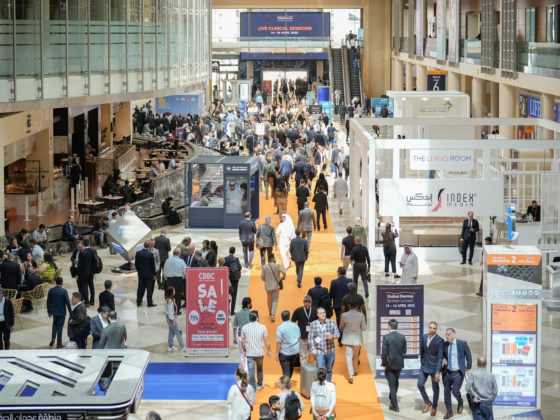
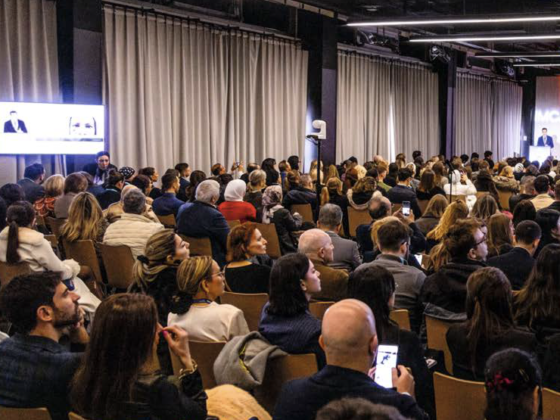
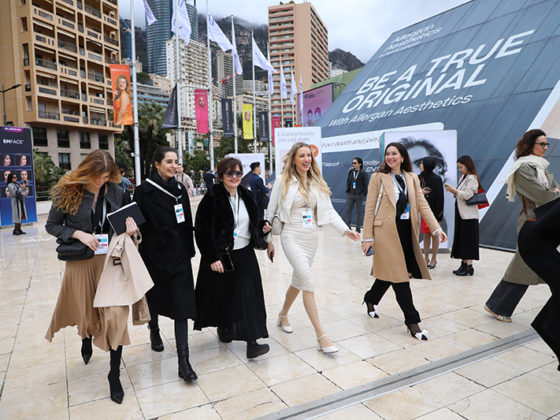
For Séverine Dubarry Bardon, CEO at Comexposium Healthcare, “This year, we are welcoming 21,700 participants, 400 exhibitors and 1,145 speakers over 225 sessions. Many innovations will be presented, such as new injectables (toxins, hyaluronic acid, biostimulators). The demand is still high and reflects the changing uses in a sector that is here to stay. I have noticed an interesting convergence between clinical dermatology, aesthetic medicine, dermo cosmetics and, more globally, longevity.”
For Laurent Brones, Director of Corporate Communications & Alliances at Symatese: “The market is still developing: Europe is experiencing a moderate 4% growth, having slowed slightly due to the more restrictive regulations; the United States is at 5%, due to increased competition from stakeholders and a downward trend in pricing; in Asia-Pacific, China is showing an impressive 10% growth, and the Middle East has some disparities, but the United Arab Emirates is maintaining a steady growth rate of between 7 and 9%.”
For Sergio Rossi, Senior Partner and Managing Director of the Boston Consulting Group: “We are seeing a convergence of technologies, procedures and sectors focusing on longevity. Now, 76% of patients want a personalised treatment plan, while only 52% of doctors currently offer them.”
For Dr Sébastien Garson, scientific director: “We have introduced a brand-new cadaver workshop, offering an even better and more instructive experience. To improve the participant experience, we are using UGC cinemas to make the sessions more comfortable, with unique sessions that allow for direct interaction with the speakers and more in-depth discussion of the topics.”
For Dr Hugues Cartier, scientific director: “Innovation in dermatology, aesthetic medicine and plastic surgery is experiencing unprecedented growth, with immense potential and patient expectations that have never been so high. Our challenge is to create an efficient collaboration between industrial innovation and academic stringency. As a consequence, we are seeing challenges such as patients coming to us with expectations based on what they have seen on social media, and doctors who are torn between several roles: a clinician concerned about efficiency, a user of innovative technologies, or a reference figure for patients who are ever better informed and new technologies promoted by marketing but which have not yet been proven scientifically. Imcas finds itself in the middle of these tensions and must constantly try to strike an intelligent yet essential balance.”
We cannot really predict the future of this sector, but we can foresee that combinations of therapies herald major evolutions that must, just like technological advances, go hand in hand with ethical stringency: fascinating!