Dr Eugenio Broccaioli
Due to the richness of the nasal vascular network, perfect anatomical mastery is essential to limit post injection risks. It should be noted that in France, no dermal filler currently holds an official indication for medical rhinoplasty.
Indications and Risks
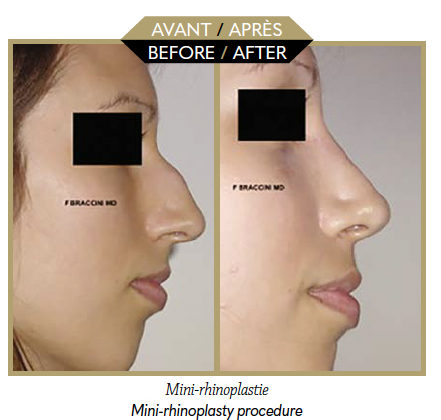
Medical rhinoplasty is mainly indicated for:
• Camouflaging a moderate dorsal hump, Moderately increasing tip projection, Correcting an excessively closed nasofrontal angle
It is one of the highest risk injectable procedures in aesthetic medicine. Cannula injections are preferred to reduce vascular risk and minimize potential complications. The main risks include vascular occlusion or compression, which may lead to necrosis of the injected area, with sometimes permanent aesthetic and functional consequences.
These risks are increased in the following situations:
• Use of excessive volumes, Use of overly elastic gels, High injection pressure, Injection techniques that do not respect anatomical structures Comprehensive and global analysis is essential and must be integrated into overall facial harmony. Cephalometry is a valuable tool, particularly through angles such as:
• Naso-frontal angle (nose–forehead): characterizes the frontonasal transition, Naso-labial angle (nose–lips): defines tip support, Naso-mental angle (nose–chin): influences nose–chin balance and the perception of nasal volume.
Assessment
A comprehensive analysis is essential and must be integrated into overall facial harmony. Cephalometric assessment is a valuable tool, particularly through the evaluation of key angles, including: nasofrontal, nasolabial, and nasomental angles.
Why ESTYME®?
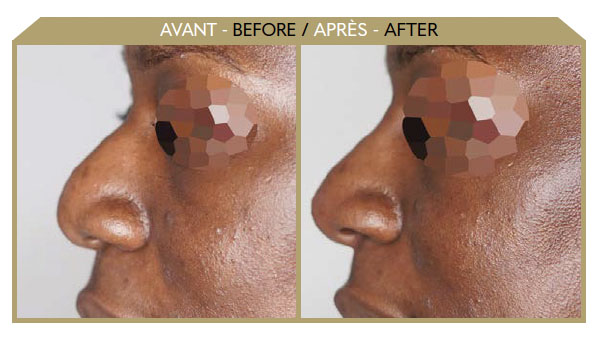
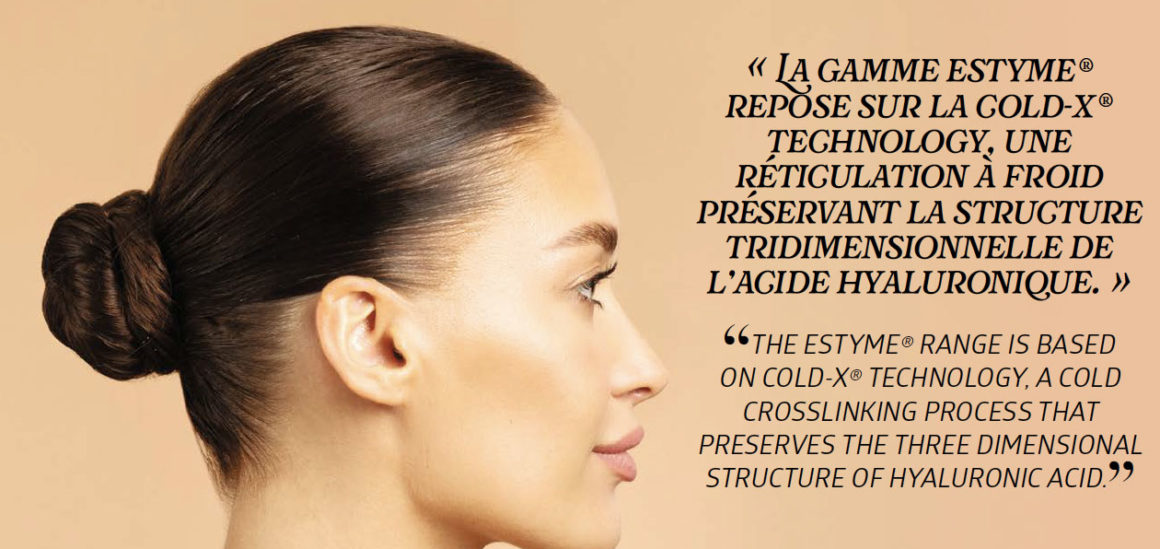
The ESTYME® range is based on COLD-X® Technology, a cold crosslinking process that preserves the three dimensional structure of hyaluronic acid. This results in highly cohesive, homogeneous, and stable gels. It stands out for its high extrusion ease—even for the most volumizing formulations—allowing smooth, consistent injection with minimal tissue trauma. The FORM reference combines good projection capacity with controlled cohesivity. I use it for moderate volume restoration and medical rhinoplasty. Its low injection force is paired with excellent malleability, enabling the practitioner to precisely adjust the product post injection and achieve homogeneous integration for an immediate, long lasting, and natural result.
In medical rhinoplasty, anatomical and technical mastery is essential due to the high vascularisation of the area. This must be paired with the choice of an appropriate product offering precision, control, and safety, in order to achieve a natural result while minimising risks.
Dr Eugenio Broccaioli

A maxillofacial surgery specialist in Paris, Dr. Broccaioli has been practising aesthetic medicine for over 20 years. This dual expertise gives him an in depth knowledge of head and neck anatomy and physiology, which he shares through aesthetic medical training programs. Infos: drbroccaioli.com