Dr Evelyne Reyt and Dr Jean-François Bezot
The intestinal microbiota is attracting increasing attention in the fields of longevity and disease, but the oral microbiota is still relatively neglected, despite its crucial role in regulating inflammation, the metabolism and immune function.
The oral cavity houses one of the most complex and dynamic ecosystems in the human body, with more than 700 microbial species, including bacteria, fungi and viruses. This ecosystem maintains the microbial balance and immune homeostasis in a healthy oral cavity. But any dysbiosis – triggered by an unbalanced diet, smoking, stress or systemic illness, among other things – can lead to gingivitis, gum disease and tooth decay, which can trigger a domino effect of inflammation in the oral cavity. For example, pathogens such as Porphyromonas gingivalis and Fusobacterium nucleatum are connected with colorectal, pancreatic and oral cancer, via mechanisms that involve inflammation, immune evasion and DNA damage. These oral microbes can move into the intestine, altering its microbial communities and the intestinal permeability, which can fuel inflammaging: chronic low-grade inflammation connected with biological aging.
These microbes can then migrate in the blood along the portal vein, which leads to the liver.
An American study – published in the Neurology Open Access journal by the American Academy of Neurology and carried out on 6,000 patients monitored over 20 years – showed that a combination of gum disease and tooth decay can double the risk of ischemic stroke, connected with blocked arteries. Chronic inflammation and the presence of bacteria make the plaques (fatty deposits) more fragile and prone to breaking away.
Chronic oral inflammation also contributes to vascular dysfunction, insulin resistance and neurodegeneration.
Genetics, geography and lifestyle all influence the mouth’s microbial diversity, highlighting the need for a personalised prevention and treatment plan. Good oral and dental hygiene is recommended, with yearly tartar removal, brushing the teeth twice a day and using interdental brushes, since interdental brushes are more effective than dental floss for keeping the mouth healthy.
Profiling the oral microbiota enables us to detect any undesirable microbes and prevent any age-related decline early.
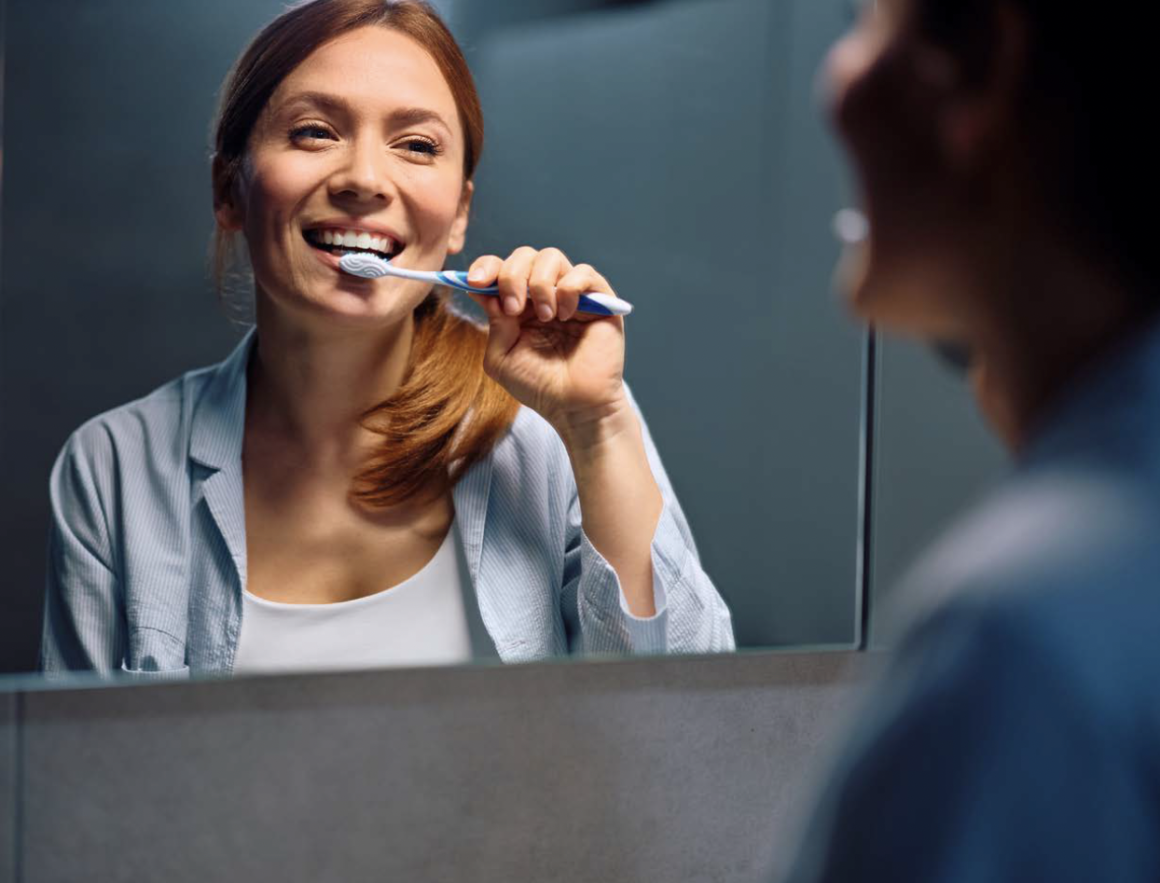
In longevity medicine (P4 Medicine ©), this analysis should routinely be included in the patients’ annual personalised prevention plan, to reset the microbial balance and slow down biological aging. Oral and dental health could play a key role in preventing neurodegenerative disorders (Alzheimer’s, Parkinson’s), stroke, and other illnesses connected with aging. The oral microbiota is an early, accessible biomarker of aging and a modifiable determinant of healthspan.
Dr Evelyne Reyt
Doctor specialising in longevity medicine, pioneer of the medical spa concept at the Evian Royal Resort. An expert in stem cells and epigenetic reprogramming, she develops personalised regenerative and better aging protocols.
Dr Jean-François Bezot
Medical biologist. Pharmaceutical doctor, Paris Pharmaceutical Faculty. Former house pharmacist for the Paris Hospitals. Specialist in anti-aging biology and functional proteomics since 1988. Permanent member of the French Society of Anti-Aging Medicine. International conference speaker. In charge of the university course in Anti-Aging Medicine (Paris Créteil university).
More: biopredix.com