Aesthetic surgery is no longer solely a matter of technical execution. Yet one essential dimension of the patient journey remains largely underestimated: perioperative patient support.
At a time when surgical techniques are reaching unprecedented levels of precision and care pathways are becoming increasingly international, a clear reality is emerging: the perioperative pathway has become one of the blind spots of modern aesthetic surgery. Each year, thousands of patients begin their recovery far from the team that operated on them—sometimes in another country, sometimes simply once they return home. In this context, continuity of care becomes a central issue for patient safety, recovery, and the quality of outcomes.
“In aesthetic surgery, outcomes are not determined solely in the operating theatre; they are built throughout the entire perioperative journey.”
Long considered a peripheral stage, perioperative support is now establishing itself as a key driver of safety and outcome quality. Modern aesthetic surgery can no longer be reduced to the technical act alone; it must be understood as part of a comprehensive care pathway, where the quality of perioperative management directly influences tissue recovery, patient experience, and the long-term stability of results.
Over recent years, advances in plastic surgery have been considerable. High-definition approaches, evolving operative technologies, and increasing subspecialisation have profoundly transformed the discipline. At the same time, patient expectations have evolved: preoperative preparation, optimised recovery, post-procedural comfort, tissue quality, structured follow-up, and holistic support. Within this context, structuring a true aesthetic perioperative pathway has become a central challenge. Aesthetic surgery must no longer be viewed solely as a technical intervention, but as a complete journey in which perioperative support plays a decisive role. Safety in aesthetic surgery does not depend exclusively on surgical expertise. It also relies on the organisation and coherence of the entire pathway surrounding the intervention. For over seventeen years, METCARE • My Esthetic Travel has developed a structured approach dedicated to this often overlooked dimension of aesthetic surgery. This model aims to organise perioperative patient support in coordination with medical teams, while fully respecting the follow-up provided by surgeons.
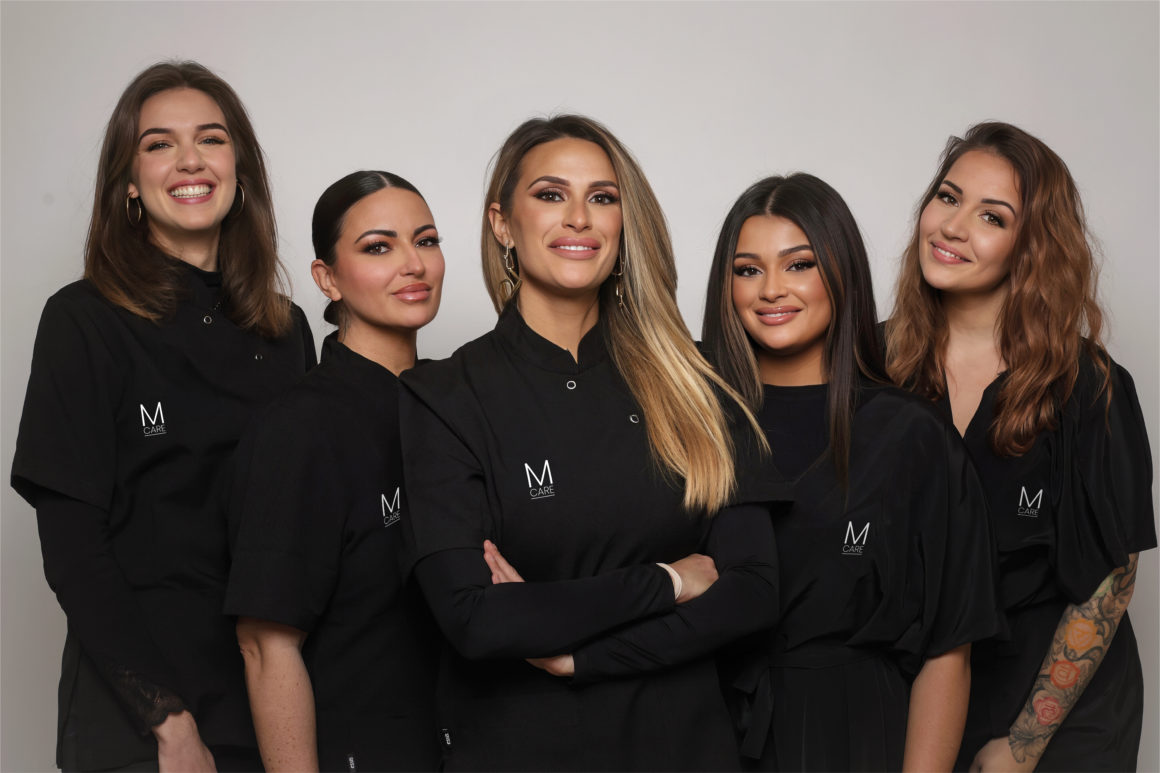
Each year, more than 8,000 patients are supported within this international network, which now brings together over 1,300 experts across more than 27 countries.
This expertise has been built through direct experience with plastic surgery patients facing specific physiological and emotional needs. In many care pathways—particularly international ones—patients may find themselves distanced from their surgical team after the procedure, reinforcing the importance of coordinated support. Perioperative care cannot be reduced to a series of technical gestures. It requires a detailed understanding of tissue behaviour, surgical timing, procedural constraints, and technologies used in the operating theatre. It also demands the ability to support tissue recovery over time, taking into account each patient’s individual characteristics. Within this comprehensive approach, the perioperative phase plays both a preventive and restorative role: anticipating certain complications, optimising tissue recovery, and supporting the durability of results.
Beyond direct patient support, METCARE has also positioned itself as a specialised training centre in perioperative care for aesthetic surgery. These training programmes are designed for stakeholders in the medical-aesthetic and therapeutic sectors—clinics, plastic surgery teams, nurses, physiotherapists, and allied health professionals—to structure this specific area of care and support the emergence of perioperative management as a true specialisation. The objective is to foster local, coherent, and coordinated care, enabling patients to benefit from appropriate perioperative support in connection with surgical teams. This knowledge transfer is based on a patented protocol developed over more than seventeen years and enriched through international collaborations, particularly in Colombia, widely recognised as a global reference in post-surgical recovery.
The protocol has continuously evolved to reflect the transformations of modern aesthetic surgery: advances in surgical techniques, high-definition approaches, new operative technologies, and increasing demands regarding recovery and tissue quality.
In line with this approach, an international aesthetic concierge service has been developed to coordinate the perioperative journey. This system does not replace medical follow-up provided by surgical teams. On the contrary, it operates within a framework of collaboration and continuity, extending and supporting certain aspects of perioperative care.
From this perspective, the perioperative pathway can be considered an extension of patient follow-up, enabling surgeons to rely on a network of trained professionals to support key stages of recovery—particularly when patients are geographically distant.
To complement this system, a dedicated hotline is available 24/7 to guide patients and address their questions at every stage of their journey. This continuous availability helps reduce situations of post-procedural uncertainty, which are particularly common in international pathways.
Within the same logic of enhancing care safety, the SafetyPatient label has been developed. This label is intended for plastic surgeons and clinics wishing to adopt a more structured and responsible approach to surgical pathways by integrating their patients into a network of trained professionals capable of ensuring continuity of care around the intervention, both in France and internationally. Beyond its technical dimension, aesthetic surgery deeply engages the patient’s human experience. It touches on self-image, intimacy, and personal transformation. Listening, empathy, and emotional support are therefore integral components of this approach. As aesthetic surgery continues to expand and globalise, structuring the perioperative pathway emerges as one of the key challenges for the evolution of the discipline. Recognising perioperative care as a distinct specialisation represents a major shift in aesthetic surgery.
Caring for the pathway means caring for the outcome—and transforming the patient experience.
The structuring of the perioperative pathway opens a new field of reflection for modern aesthetic surgery. It invites all stakeholders—surgeons, clinics, and specialised professionals—to rethink together the continuity of patient support around the intervention. In this context, we will have the pleasure of speaking at the SOFCEP Congress on 28–29 May 2026 in Biarritz, and at the AIME Congress on 18–19 June in Paris, alongside Professor Hersant and Professor Méningaud, as part of a module dedicated to the perioperative pathway and post-surgical patient support in plastic surgery.
These meetings will provide an opportunity to engage with surgeons, physicians, healthcare professionals, and allied practitioners on current challenges related to safety, coordination, and continuity of care.