Dr Íñigo De Felipe
Speaker at the mesoestetic® symposium, IMCAS and AMWC.
As aesthetic medicine continues to evolve, practitioners are increasingly looking beyond traditional volumetric correction towards strategies that prioritise skin quality and long-term tissue health. Within this context, the second generation of mesofiller® nexha has recently been introduced to the international medical community, with presentations at major congresses. The range proposes a new approach to injectable treatments, combining immediate structural correction with mechanisms designed to support progressive dermal regeneration.
Dr Íñigo De Felipe, internationally recognised dermatologist and speaker at the mesoestetic® symposium during IMCAS Paris 2026, shares his perspective on how this innovation reflects a broader transformation in the philosophy of aesthetic treatments.
In recent years there has been increasing discussion about moving from purely corrective treatments towards approaches that support skin quality and regeneration. How do you see this evolution in daily clinical practice?
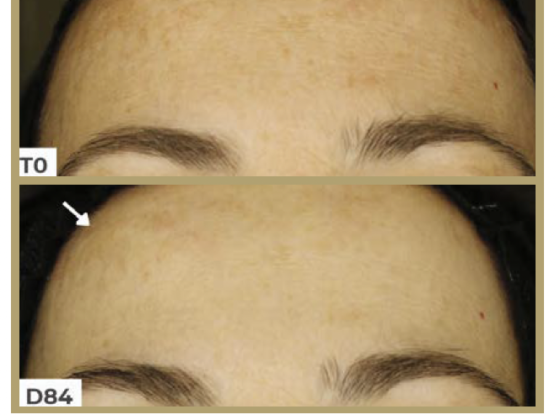
Dr De Felipe: Skin quality plays a crucial role. Characteristics such as luminosity, texture and dermal density are fundamental to how the face is perceived. The second generation of mesofiller® nexha fits well within this evolution because it integrates correction with a biological component that supports dermal activity over time.
What aspects of the formulation make this second generation of mesofiller® nexha particularly interesting from a clinical standpoint?
Dr De Felipe: One of the key aspects is the combination of cross-linked hyaluronic acid with succinic acid and indication-specific active ingredients. Hyaluronic acid provides the structural component that we expect from a filler, allowing immediate correction. At the same time, succinic acid is associated with cellular metabolic processes and may help stimulate fibroblast activity.
In addition, this second generation incorporates exclusive cocktails tailored to specific indications, enhancing the treatment’s ability to address different clinical needs in a more targeted and comprehensive way.
In practice, this means that the treatment does not only produce immediate aesthetic improvement but may also contribute to progressive changes in skin quality, such as improved texture and luminosity, which develop over time.
Many clinicians are now interested in regenerative strategies within aesthetic medicine. Do you see innovations like this influencing how fillers are used in the future?
Dr De Felipe: I believe so. Instead of focusing exclusively on correcting visible signs of ageing, we are beginning to think about how treatments can also support the biological function of the skin. Products that combine structural correction with some degree of biostimulation open interesting possibilities in this regard.
At the same time, we are seeing a growing trend towards combination treatments, where different procedures are integrated to achieve a more comprehensive, 360-degree approach to patient care, rather than relying on a single technique.
In that sense, the second generation of mesofiller® nexha reflects a broader trend in aesthetic medicine towards treatments that aim to achieve natural-looking results while working with the biology of the skin over time.