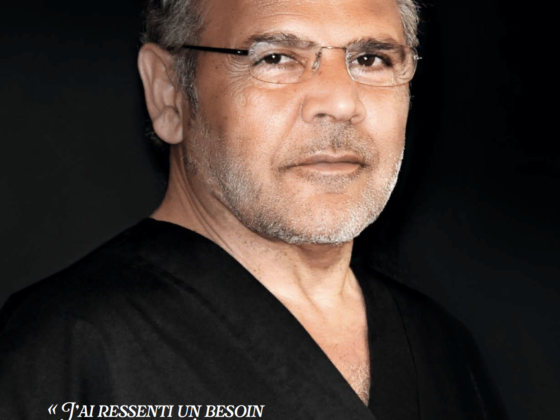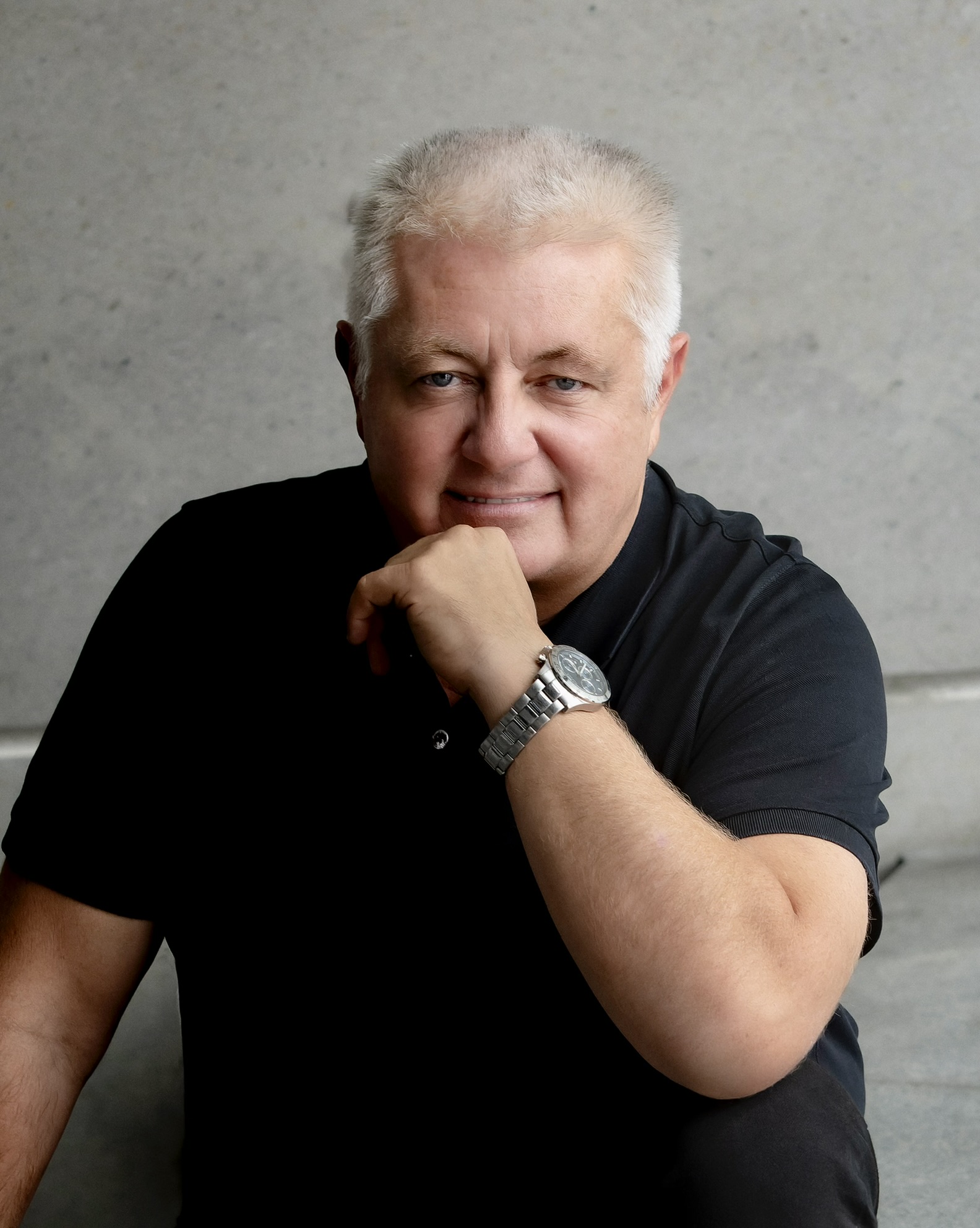
I have learnt that asymmetry is a fundamental rule, as every face has its own story to tell.
I have always been fascinated with living structures.
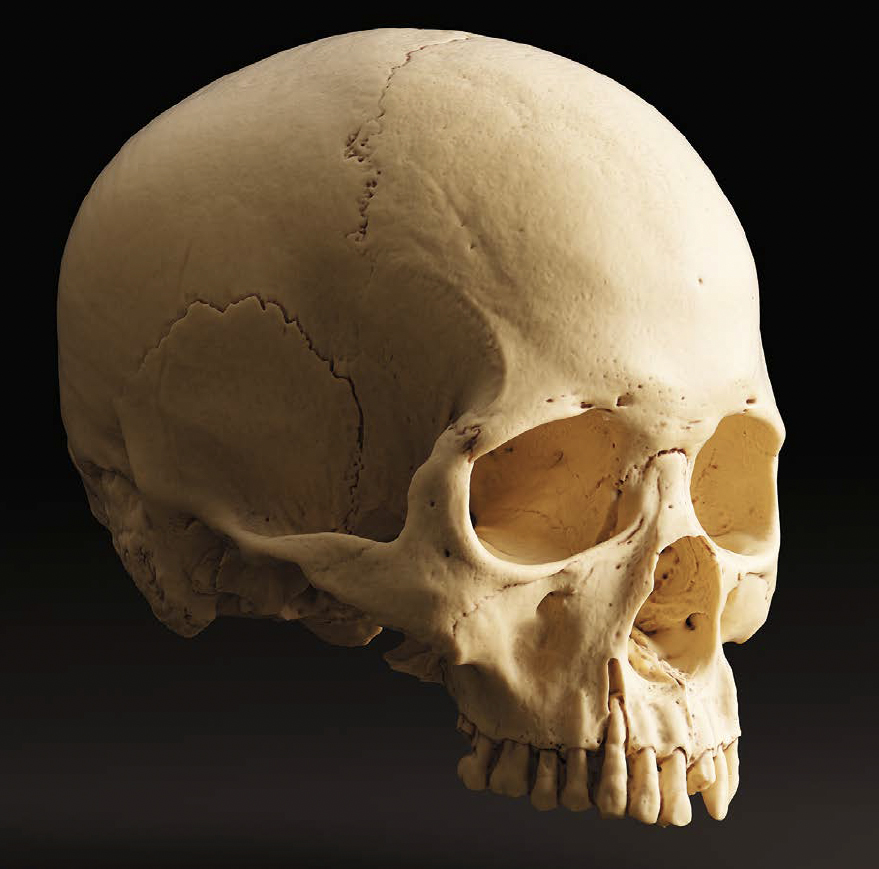
When I first started out in medicine, it was not disease that fascinated me, but rather the shape, the lines, the silent architecture of the human face. My Master of Research degree (1992–1994) – for which I studied 350 human and non-human skulls in the Musée de l’Homme, the Muséum d’Histoire Naturelle and Muséum de Strasbourg – was foundational. I discovered that the skull, which is often perceived as a symbol of death, is actually the matrix of life, the foundation of asymmetry and identity. Plastic surgery was a natural step for me: a way to indulge this fascination for the geometry of living things through surgery.
My first mentors were anatomists
They worked at the Musée de l’Homme and the Muséum de Strasbourg. They taught me how to read the skull’s shape, understand its axes, respect its structure. I was also greatly inspired by the reparative surgeons from Pitié-Salpêtrière hospital, with whom I worked for 37 years. They taught me stringency, humility and three-dimensional reconstruction, and I learnt that we should never repair anything without understanding it in depth.
Two events that shaped my career.
The first was the years I spent studying skulls. That is when I understood that asymmetry is a fundamental rule, that every face has its own story, direction, native asymmetry. The second was my years spent in reparative surgery. Rebuilding faces after trauma forced me to think in 3D: how to recreate an axis, a structure, give coherence to living architecture. These two different worlds – anthropology and repair – shaped my current vision of the face.
My favourite part? Chatting with other surgeons and passing on my knowledge.
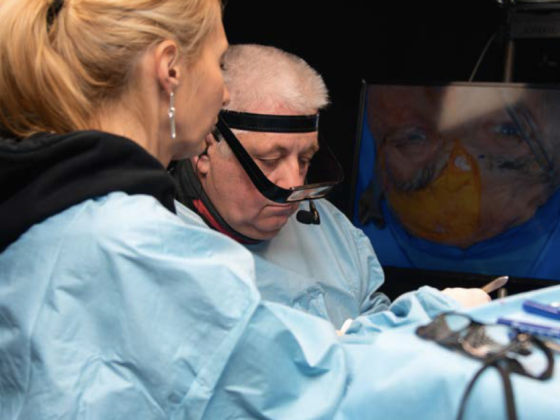
I regularly teach my 3D approach to interns and junior doctors, to anyone who is interested in the deep facial structures. Money has never been a driving force for me. True recognition is achieved by passing on your knowledge, not holding on to it.
What would I like people to remember? What does the future hold?
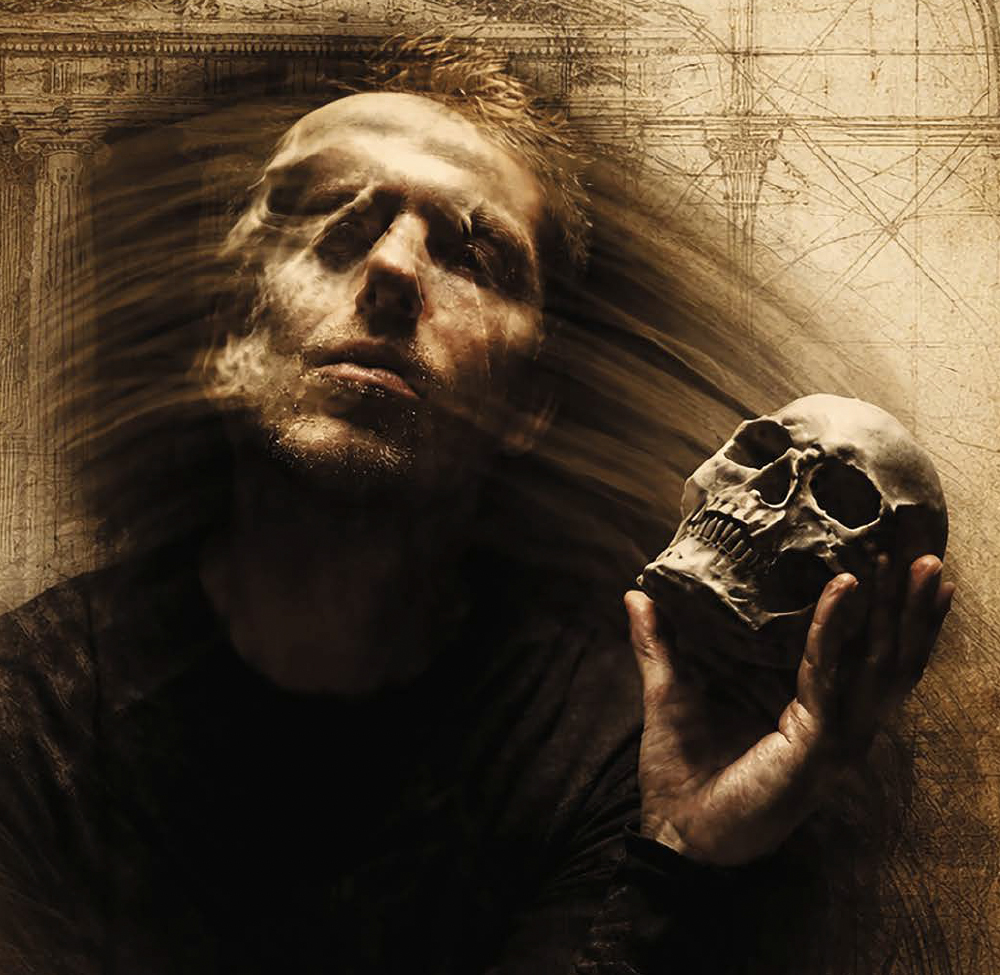
I would like people to remember that the face is not a surface: it is a living structure. My work has always involved establishing coherency between the facial planes, structural columns, lines of force. Reorganising rather than transforming.
The future of surgery relies on more detailed understanding of:
• the deep facial structures
• how the facial forces change as we age
• the internal geometry of the face
Technologies will change but the essentials remain the same: look before you leap.
What drives me in life?
I am fascinated by structures: those of the face, but also those found in art, skulls, nature, ancient texts. Surgery is a passion of mine, but so is the thought process that goes with it.
My family and my hobbies feed my work.
I have four children, and they have all followed their own path – none chose to go into medicine, and that suits me fine. I have very simple hobbies: enjoying the peace and quiet, studying the skull, reading, writing and exploring the connections between art and anatomy. Everything I do feeds into my work, and my work feeds the rest.
If I had to choose my favourite book, I would say, “Vanités. L’art face à la mort” by Michèle-Caroline Heck. It is a fantastic book that sees the skull as a beginning, not an ending: a primary structure, silent geometry, the stable memory of a living thing. This book perfectly expresses what I have always felt: the skull is a platform, not a symbol. My favourite film would have to be “Amélie”. The way the finer details are captured, the micro-emotions, the things others do not see – an accurate analogy, an observation of the human face. Though my other interests all revolve around studying human asymmetry, the connection between art, anthropology and surgery, and the geometry of living things, my strongest desire is to pass on my knowledge, to put my thoughts into writing. I am currently working on a broader text, a “manifesto” dedicated to the geometry of the human face and the 3D cohesion of its forces.
This project brings together thirty years of thought: the Musée de l’Homme, repair, aesthetics, asymmetry and the architecture of living things.
Where to find him: 32 Av. Georges Mandel, 75116 Paris