Dr Claudia Musiał
Cellness is becoming a fundamental, leading trend in 2026
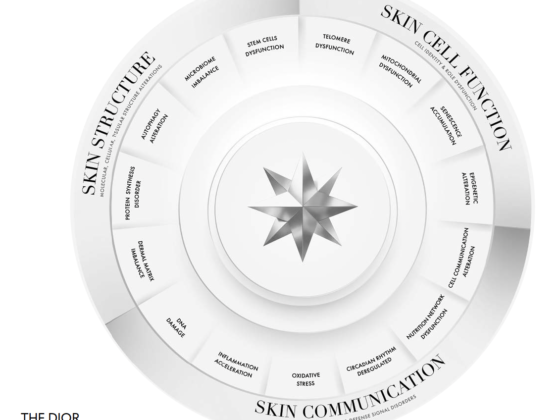
Cellness summarises the progress made so far in longevity medicine, slow aging, and biotech beauty cosmetics and treatments. This represents a paradigm shift in anti-aging procedures. Accordingly, this is an evolution in the synergy of wellness and cellular health, which now places particular emphasis on skin biology and confirmed effectiveness in scientific research. Cellness will become a permanent fixture in everyday practice and will undergo continuous development based on science. It stems from growing demand, but also consumer awareness of health in the longevity trend. As a result, cosmetic brands are focusing on technologies and active ingredients that don’t act symptomatically, but instead have targeted effects that work at the source, i.e., at the level of cell biology.
Examples of this type of active ingredient include exosomes, plant stem cell extracts, advanced peptides, and the longevity molecule NAD+ or its precursors. These ingredients support the regenerative functions of skin cells in a laboratory- and clinically-documented manner, reverse epigenetic changes, and reduce biological age at the cellular level through topical application.
The most important scientific origin of the cellness trend is the response to the visual signs of skin aging based on the hallmarks of aging according to López-Otín C et al., 2023, which are twelve characteristic features of aging at the cellular and molecular levels including genomic instability, cellular senescence, disturbances in intercellular communication and loss of proteostasis.
Considering the mechanism of action of tissue stimulators, the most important role seems to be the stimulation of fibroblast activity, especially the papillary layer, for long-term anti-aging effects. Additionally, currently the most desirable are practices that aim to stimulate mitochondrial and anti-senescent activity, or NAD+ boosters at the cellular level.
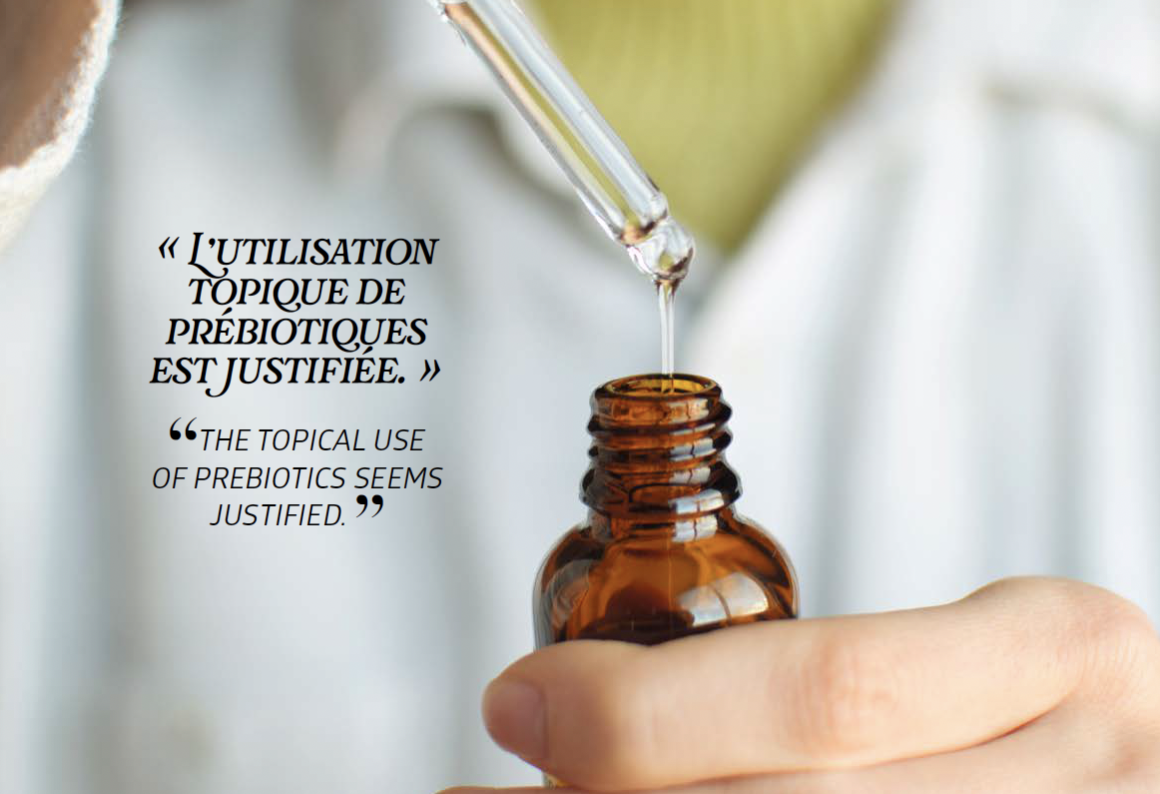
Modern treatments also determine the appropriate dynamics of the skin’s microbiota ecosystem, which supports the protective function of the skin barrier. Given the above, the topical use of prebiotics seems justified. However, since cellness is a combination of wellness and cellular health, the importance of daily diet and lifestyle should not be overlooked. Therefore, aesthetic practice should be complemented with additional measures, also addressing the essence of the gut-skin axis. Here, the use of a longevity postbiotic in the form of pasteurised Akkermansia muciniphila deserves special attention, as its effectiveness has been confirmed in clinical studies.
Additionally, the introduction of antioxidants into daily skincare and treatments is practised due to the excessive production of reactive oxygen species and consequent cellular damage caused by damage-associated molecular patterns (DAMPs). They also constitute the first line of defence against so-called inflammaging, which is associated with an increase in proinflammatory markers, including extracellular matrix metalloproteinases.
Modern treatments and skincare should target key longevity signalling pathways, such as sirtuins, AMPK, and mTOR. This enables proper cellular regeneration, ensuring optimal treatment satisfaction. However, the most appropriate choice is personalised treatment and care, focusing on skin microbiota homeostasis, mitochondrial activity and epigenetic changes.
Dr Claudia Musiał

Doctor of Medical Sciences and Health Sciences in the discipline of medical sciences, cosmetologist specialising in bioesthetic cosmetology, trichologist; scientist in the field of experimental oncology and molecular biology. Winner of the Personality of the Year 2023 award in the Art of Beauty Prestige Awards competition for innovative scientific research and promoting the development of trichology in Poland. Scientific Director of Skinline Clinic.
Infos: skinlineclinic.pl
References
1. Musiał C., The role of stem cells in aesthetic medicine and cosmetology, PZWL Medical Publishing House, 2024, Warsaw.
2. Musiał C., Cosmetological and medical trichology, PZWL Medical Publishing House, 2025, Warsaw.
3. Musiał C., Chronobiologie et longévité cutanée (Chronobiology in skin longevity), Anti Age Magazine, 2025.
4. Musiał C., Gerontological Cosmetology and Trichology. A Holistic Approach [book available in Polish: Kosmetologia i trychologia gerontologiczna. Ujęcie Holistyczne], PZWL Medical Publishing House, 2024.