Dr Jean-François Bezot
From increasing life expectancy to Medicine P4™: why prevention, prediction and longitudinal monitoring are becoming the pillars of healthy longevity.
The 21st-century Man is confronted with this contradictory reality. He possesses a vital potential that allows him to live longer and longer, and to do so in a state of well-being. But he is confronted with exogenous and endogenous factors that disrupt this capacity for longevity. We thought we would age in good health; we are going to be disappointed! Our life span is increasing, but we are still aging, which means more physical disability and dementia. How can we ensure that these additional years of life are years of active life in full health and in complete possession of our physical and intellectual capacities? Living young makes us think of the oxymoron aging young… or how to make the most of the years we have left. As lovers of life and humanity, we can develop an enlightened awareness of this growing contradiction.
A longer life expectancy generally means more and more patients.
Two additional years, one and a half years in poor health. This is becoming a real societal issue. Physicians are confronted with increasingly complex clinical situations induced by genetic, epigenetic or environmental factors, and by certain lifestyles, among which nutrition is not the least important. It is time to think about medicine differently, in a disruptive and ecological Hippocratic spirit, beyond the clinician’s emergency measures. The medicine that plans ahead will always be one step ahead of the medicine that cures, or attempts to cure, when it is sometimes already too late. The medicine of the future will have to move towards preventive and predictive medicine because, in reality, it will cost society less. At the request of the Food and Drug Administration, in 2009 Americans created the concept of Medicine P4™, which became in 2012 the famous international registered trademark of longevity medicine in a state of well-being.
Medicine P4™: Personalised, Predictive, Preventive and, above all, Participatory.
The role of the doctor (from the Latin docere: to teach) will be to inform the patient about the nature and meaning of his state of ill-being, to teach him the means of modifying the elements of his lifestyle that led him to it, and to encourage the healing process by helping the patient reach a state in which the natural healing forces become active. Being healthy therefore means being in synchrony with oneself, physically, mentally, and also with the surrounding world. The state of ill-being therefore appears as the consequence of an imbalance of homeostasis, the disturbance of which may manifest itself at all levels of the organism and generate symptoms of a physical and/or psychological nature. For me, as a biologist, the most beautiful word in the French language is Claude Bernard’s homeostasis. Namely, the intelligence of a system to maintain itself alive by detecting anomalies in order to correct them. Biology makes it possible to define an effective nutritional and micronutritional framework to encourage the patient to adopt healthy eating habits and a healthy lifestyle.
A related science, systems biology makes it possible to approach living organisms as a whole composed of subsystems, and to understand that any imbalance in one subsystem causes an imbalance of the whole, of homeostasis, the primum movens of all disease.
This global health approach allows personalised, predictive and preventive biological profiles aimed at optimising physical fitness, managing harmful stress and avoiding unnecessary and deleterious physiological and psychological suffering.
It is up to us, biologists, to place patients within longitudinal monitoring processes with intermediate checkpoints. Longitudinal monitoring becomes an essential component of this prevention; by carrying out regular assessments, the indispensable dynamic concepts are introduced.
Dr Jean-François Bézot
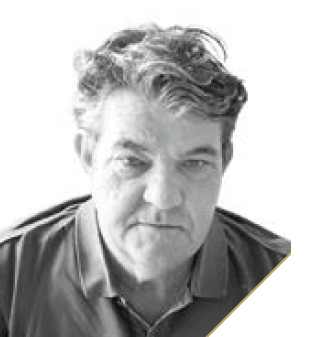
Medical biologist. Pharmaceutical doctor, Paris Pharmaceutical Faculty. Former house pharmacist for the Paris Hospitals. Specialist in anti-aging biology and functional proteomics since 1988. Permanent member of the French Society of Anti-Aging Medicine. International conference speaker. In charge of the university course in Anti-Aging Medicine (Paris Créteil university).
Infos: biopredix.com