Dr Eric Essayagh
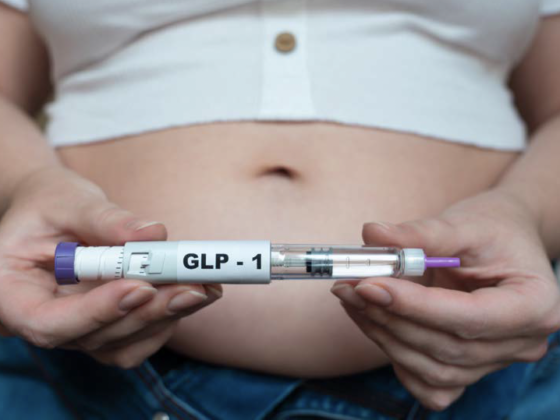
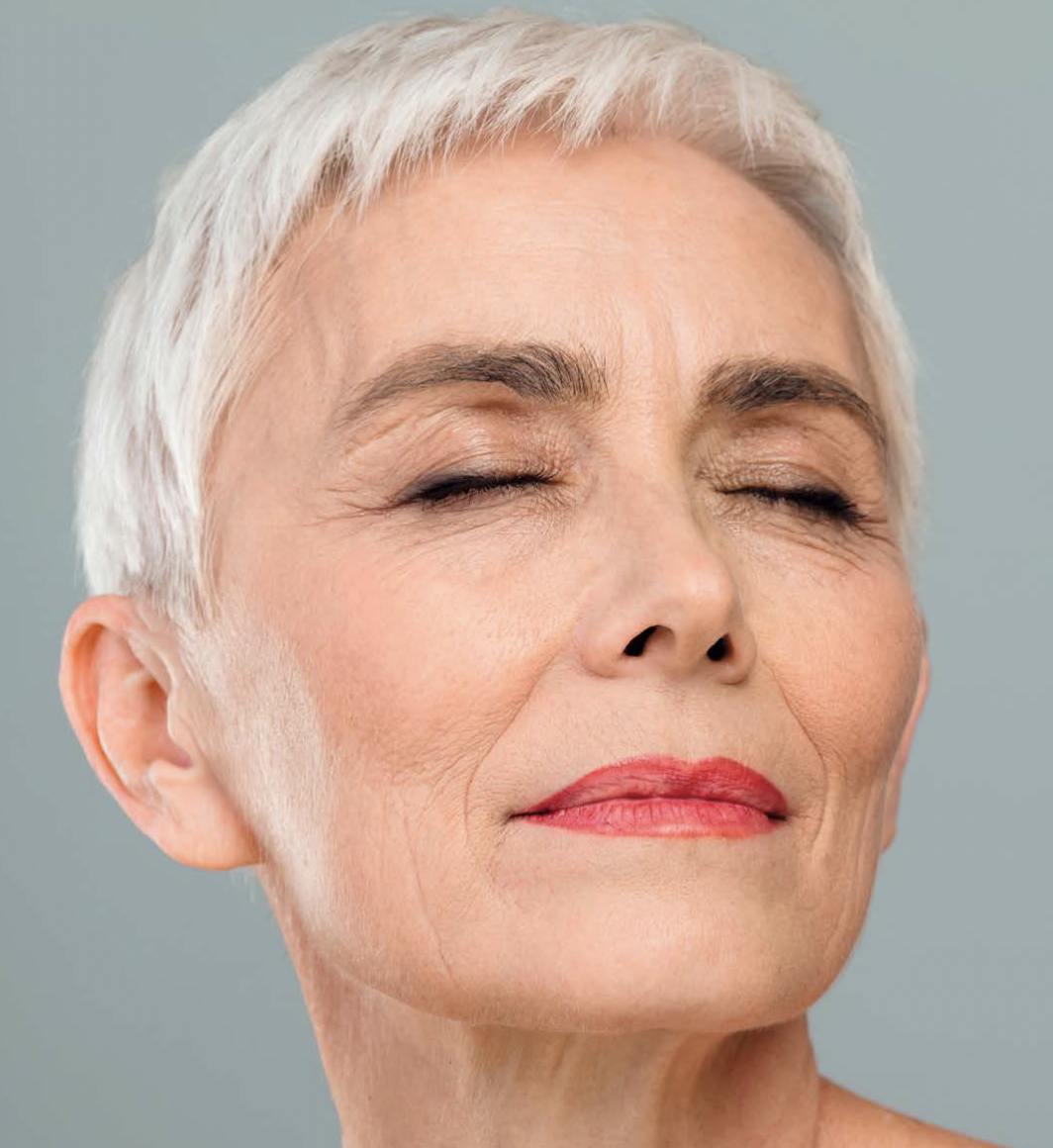
GLP-1 analogues, like semaglutide or tirzepatide, have revolutionised the treatment of obesity and type 2 diabetes by allowing for quick and significant weight loss. But this transformation has a visible effect on the face: the so-called “Ozempic face”. The face becomes more skeletal, looks older, tired, with hollow temples, saggy cheeks and a sagging oval. This phenomenon is not due to the drug itself, but the rapid melting away of the face’s fatty compartments.
The facial adipose tissue is organised into deep and superficial cavities which create volume, support and balance. When weight loss is sudden, these stores are emptied faster than the skin can retract, which accentuates the signs of aging. Restoring these volumes therefore becomes essential so that patients can recognise themselves in the mirror once again, while making the most of their new figure.
The treatment relies on the injection of filler products, primarily volumising hyaluronic acid and tissue inducers such as polylactic acid or calcium hydroxyapatite. The key approach is to prioritise the deep volumes, even though a study published in Otolaryngol Head Neck Surg in 2025 by Sharma RK et al. reported the melting away of the superficial fatty compartments in the middle of the face such as the cheeks, temples and periorbital region. Our strategy is to treat the chin and sometimes the jaw before treating the more superficial layers, which allows for natural-looking, long-lasting and harmonious results.
We start with the temples. Hollow temples immediately age the expression and make the whole upper third of the face look gaunt. We inject into the deep planes, in contact with the bone, to restore the Charpy fat pad and improve the support around the eye area.
Next comes the deep malar fat. This compartment is a real pillar for the middle third of the face. Restoring it with a deep bolus of hyaluronic acid (ALLERGAN, GALDERMA, SYMATESE) projects the cheekbones, supports the lower eyelids, softens the under-eye area and resets the harmony of the middle of the face.
The area around the anterior nasal aperture, at the bottom of the nose, is also critical. A loss of volume in this area hollows out the nasolabial fold, lengthens the upper lip and makes the nose look like it is drooping. A deep and careful injection into this area (using a 25 or 23G cannula) supports the whole nasal pyramid and softens the area between the nose and lip.
Finally, a hollow jaw should not be ignored. Restoring this area allows us to redefine the oval, support the lower lip and avoid a weak-chin effect, which often appears after rapid weight loss.
Why focus on the deep layers? Because by rebuilding the facial foundations, we can create real structural support. This then allows us to use less product in the superficial layers, avoid an over-plumped effect, and achieve a much more natural-looking result. Tissue inducers have the additional advantage of stimulating collagen production over several months, giving a gradual and long-lasting rejuvenating effect.
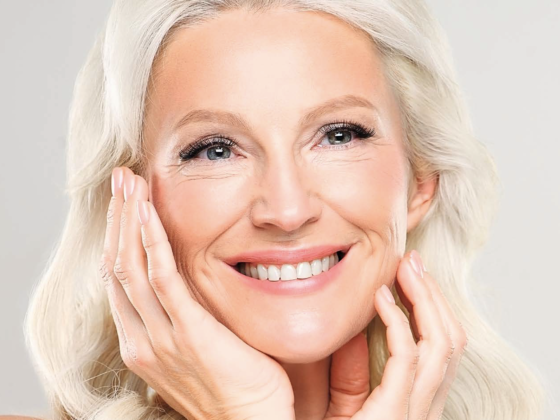
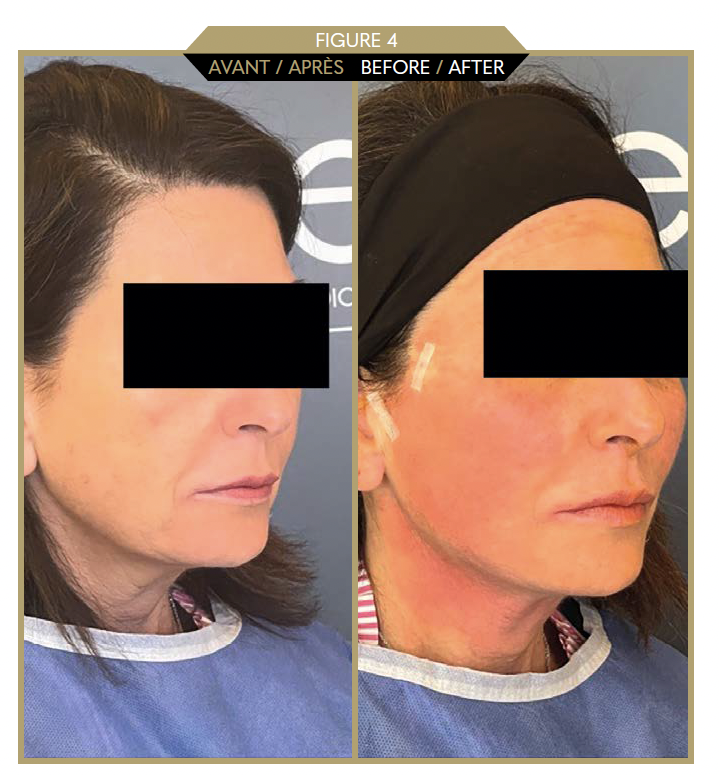
We can always complete this initial treatment by using skinboosters in a later session, injected more superficially to boost radiance, smooth any roughness and increase the skin’s elasticity and hydration, or by inserting resorbable tensor threads with a long-lasting action, made from polylactic acid, polycaprolactone and hyaluronic acid in the case of sagging that persists after six months (Fig.4).
These treatments, when carried out by a doctor who has perfect knowledge of the vascular anatomy of the face, really transform the results. They allow patients who have undergone GLP-1 treatment to combine a slim body with a radiant face, health with self-esteem. Aesthetic medicine therefore becomes a natural part of their weight-loss journey.
Dr Éric Essayagh
Morphological and Anti-Aging Physician. Cap d’Antibes. Inter-University Diploma in Morphological and Anti-Aging Medicine. 2007 Paris XIII. European Inter-University Diploma in Medical Lasers 2004. Member of SAMCEP. Member of the French Society of Aesthetic Medicine. Member of the French Society of Morphological and Anti-Aging Medicine.
Infos: essayagh.com