Dr Melike Kibar Ozturk
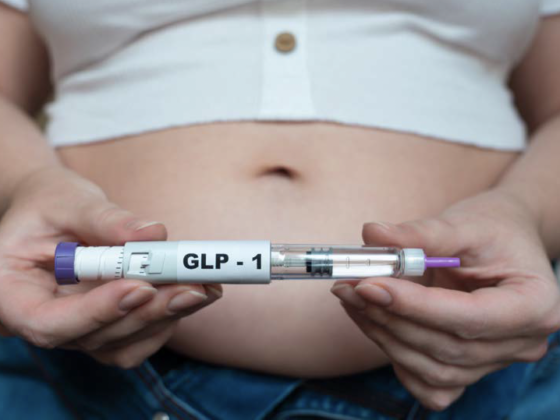
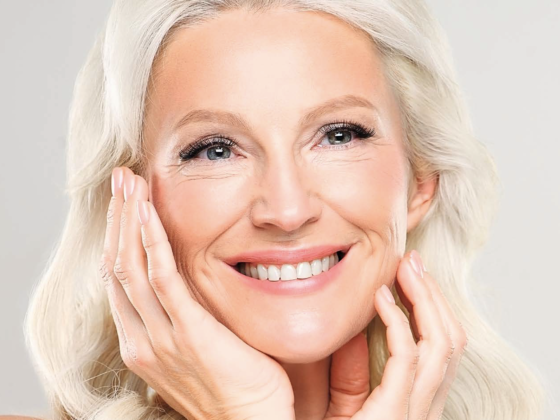
If you are taking GLP-1 analogue medications, such as semaglutide or tirzepatide, your face may appear thinner or more hollow.
Why your face can change? Your facial shape comes from bone, muscle, skin, and fat. Weight loss often removes the small fat pads under the skin more quickly than other tissues. If you already had some loose skin or age‑related changes, losing facial fat can make temples, cheeks, under‑eye areas, and the jawline look sunken or more sharply contoured. These are signs of volume loss, not just skin sagging, so treatment usually means adding or supporting soft tissue as well as improving skin quality.

Safe, common ways to restore volume
– Hyaluronic acid (HA) fillers: The most common and flexible option. They give immediate results and can be dissolved if needed, which helps when fine‑tuning. Good for cheeks, temples, and under‑eye hollows.
– Poly‑L‑lactic acid (PLLA, e.g., Sculptra): A semipermanent filler that restores volume gradually over weeks to months. Results build over time and can last a long while; it is not reversible and requires careful dosing.
– Calcium hydroxylapatite (CaHA, e.g., Radiesse): A semipermanent filler that provides immediate scaffolded lift and structural support; useful for cheeks, jawline, and prejowl hollows. Best placed by experienced clinicians.
– Fat grafting (your own fat): A surgical option for larger or more long‑term volume needs. Results can look very natural and last long, though some fat may be reabsorbed and recovery is longer. Techniques like PRF (platelet‑rich fibrin) may improve graft take and softness.
Improving skin quality and support
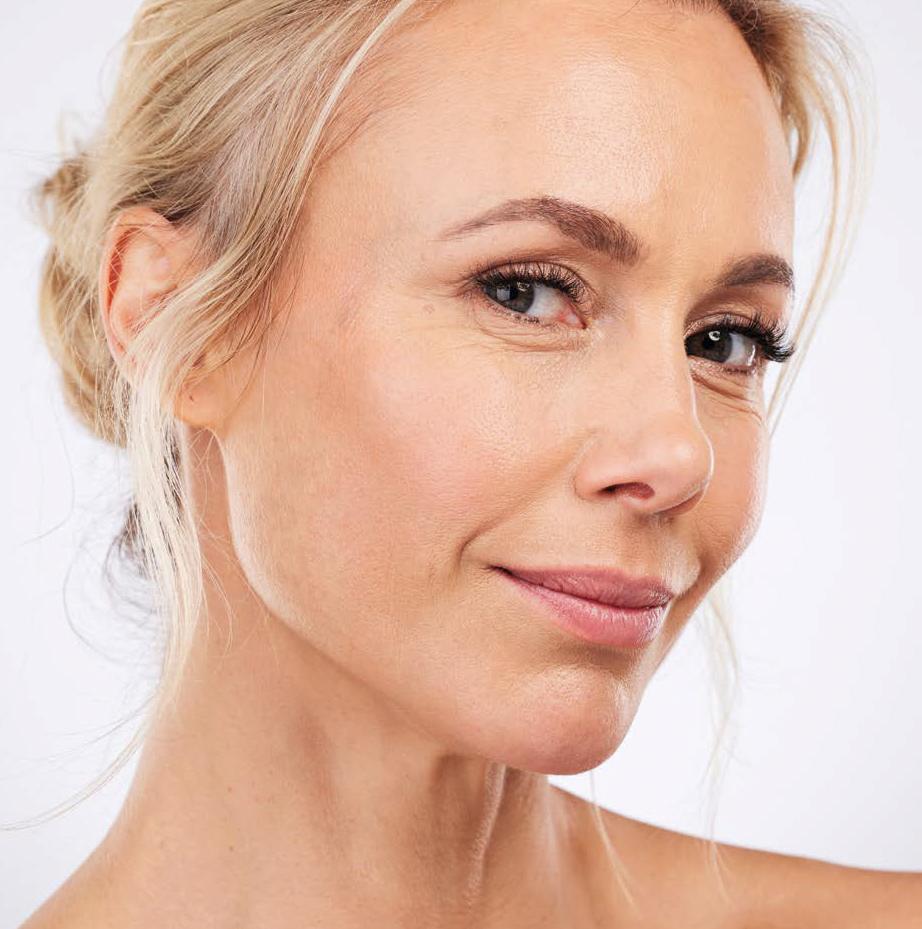
Adding volume alone may not fix loose skin or texture changes. Treatments that tighten or resurface skin often help:
– Radiofrequency (RF) treatments: Non‑ablative tightening with modest downtime; good for mild to moderate laxity.
– Fractional CO2 laser: Stronger resurfacing and contraction for more significant texture or photodamage, with more recovery time.
– Microcoring (Ellacor): A procedure that reduces skin laxity by removing tiny skin cores to achieve meaningful tightening; it can be combined with fillers or fat to improve overall facial support and contour.
How we approach treatment
We begin with a careful assessment of your face, health, and expectations. The best plans are conservative, staged, and tailored: sometimes fillers alone are enough; other times a mix of HA, semipermanent fillers (PLLA or CaHA), fat grafting, and skin tightening gives the most natural, lasting improvement. Safety and preserving your health are priorities.
If you’re bothered by facial changes after GLP‑1 treatment, talk with a board‑certified dermatologist or plastic surgeon experienced with these options. A personalised plan can restore balanced contours and help you feel like yourself again.
Dr Melike Kibar Ozturk

Dermatologist in Abu Dhabi. Dermatology residency at Dokuz Eylül University, Turkey. Associate Professor at Umraniye Training and Research Hospital, Istanbul, and Adjunct Associate Professor of Dermatology at Khalifa University. 19 years of clinical experience, more than 60 publications. She is the owner and Medical Director of Doctor Kibar Clinic, Abu Dhabi.
Infos: @doctorkibarclinic