Dr Taliah Schmitt
A patient loses twenty-five kilos in six months. Their labs are now normal, and they finally feel like they are being seen differently. But, when they get undressed and look in the mirror, they still do not like what they see.
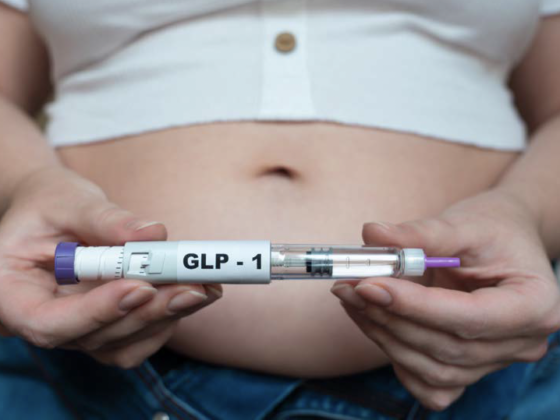
We see this paradox every day in our practice. GLP-1 receptor agonists have made something we thought was impossible – rapid and significant weight loss without bariatric surgery – into something feasible, but they have also opened up a domain that nobody really expected. It turns out that losing weight and getting your dream body are two different things.

The skin has a limited ability to retract, which is determined by the extent of the weight loss, the patient’s age and their initial skin quality. Weight loss of twenty to thirty kilos often exceeds this threshold, leading to sagging skin on the abdomen, arms and thighs, a loss of breast volume, and sometimes sudden facial aging: as the treatment progresses, patients realise what this transformation really means for their body, and they feel unprepared to face it. GLP-1 treatment is presented as straightforward, fast and almost miraculous, but the after-effects are often nothing of the sort.
Our day-to-day practice as plastic surgeons has been transformed. We now see two profiles of patients that GLP-1 have made operable, when previously surgery would not have been possible.
The first are patients who were in a grey area (significant excess weight or moderate obesity), who were too high-risk for plastic surgery but not eligible for bariatric surgery. GLP-1 enabled them to get within the acceptable metabolic and weight bracket for surgery.
The second are former gastric sleeve or bypass patients who had not managed to lose quite enough weight. Blocked by a high BMI, unmanaged metabolic syndrome or persistent visceral adiposity, they were not eligible for reconstructive surgery, but GLP-1 helped them overcome this final hurdle.
For all these patients, abdominoplasty, body lift, brachioplasty, cruroplasty or breast lift are no longer just aesthetic options: they become important steps for reconstructing the patient’s body and whole identity. This change requires us to rethink how we care for our patients after weight loss. For a long time, plastic surgery has been used to tackle the after-effects of bariatric surgery: patients came to us at the end of a long and well-structured treatment plan, so they were prepared for what came next. GLP-1 has speeded things up: patients now come to see us before they have had time to build a relationship with their new body. Endocrinologists, nutritionists and plastic surgeons must all work together, from the very beginning of the treatment plan. Our role is no longer just operating; it involves deciding when is the right time for surgery, planning ahead for any after-effects, and guiding the patient through a transitional phase for which they have not had time to prepare.

The main battle is no longer losing weight: thanks to GLP-1, this is much easier. Plastic surgeons now have a brand-new task: sculpting the body after weight loss, because this phase does not only last a few months but the rest of the patient’s life.
Dr Taliah Schmitt
Dr Taliah Schmitt is a plastic and reconstructive surgeon in Paris, specialising in transforming the face and body after weight loss. In 2016, she created France’s first university diploma dedicated to bariplastic surgery, and for the last ten years has been developing expertise in how to treat the body after bariatric surgery and GLP-1 treatment.
Infos: drtaliahschmitt.fr