Dr Claude Chauchard: My Integrated Weight Loss Approach with New GLP-1 Therapies
1. Excess Weight: A Metabolic and Inflammatory Issue
Excess weight is not just an aesthetic or mechanical problem. In my practice, I always emphasise that it is a true metabolic imbalance, often accompanied by chronic low-grade inflammation. This inflammation originates in the adipose tissue itself. When fat cells (adipocytes) expand excessively, they can suffer from low oxygenation, attracting immune cells, particularly macrophages. These cells secrete cytokines — signalling molecules that act like biological flamethrowers, triggering widespread inflammatory reactions. Inflammation is naturally a defence mechanism of the immune system, intended to protect the body from injuries, infections, burns, or other aggressions. However, in obesity, this inflammation persists without external threat, becoming self-sustaining and disrupting the metabolism, leading to insulin resistance, fatigue, and difficulty losing weight. Therefore, whenever I design a weight loss programme, I treat inflammation simultaneously, because otherwise, the weight loss is partial, unstable, and temporary.
2. My Anti-Inflammatory Approach

I recommend an anti-inflammatory diet, rich in protective nutrients and healthy fats that support cell regeneration, hormonal balance, and brain health.
Healthy fats I recommend:
• Omega-3: salmon, sardines, mackerel, flaxseed, walnuts, canola oil
• Monounsaturated fats: olive oil, avocado, almonds, hazelnuts
• Marine phospholipids: eggs, shellfish, krill oil
• Coconut oil (moderate): quick energy without glucose spikes
I also advise drastically reducing refined sugars, ultra-processed foods, and industrial fats, which fuel inflammation.
3. Supplements I Use to Support Fat Loss
To optimise fat metabolism and protect muscle mass, I often prescribe targeted nutritional supplements:
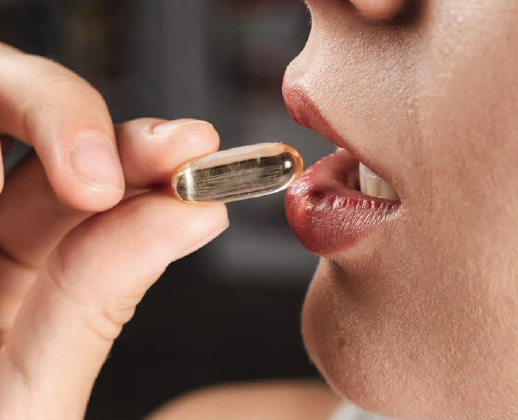
• Omega-3 (EPA/DHA) – anti-inflammatory and fat-burning
• Magnesium (glycinate) – supports metabolism and nervous system
• Zinc, selenium, vitamin D3 – hormone and immune regulation
• Resveratrol, CoQ10 – mitochondrial protection and anti-aging
• L-carnitine – transports fatty acids into mitochondria
• Probiotics and fibres (psyllium, inulin) – restore gut microbiota and reduce intestinal inflammation
4. GLP-1 Therapies: A Revolutionary Tool

I prescribe GLP-1 agonists, such as Ozempic®️ and Mounjaro®️, for selected patients. These molecules reduce appetite, increase satiety, and restore proper glucose regulation.
Mounjaro®️: Protocol and Precautions
Mounjaro targets both GLP-1 and GIP, enhancing fat loss and metabolic effects.
I generally prescribe:
• 2.5 mg/week at the start, subcutaneous injection
• Available in single-use or multi-dose pens
• Gradual dose increase based on tolerance and weekly weight loss
• If after one month, weight loss is less than 3 kg, the dose can be increased
5. Caution at the Beginning: Tolerance and Dose Adjustment
It is crucial to be extremely cautious at the start. About 5–10% of patients cannot tolerate these injections due to significant digestive side effects (nausea, vomiting, diarrhoea), which may require immediate discontinuation. The low starting dose of 2.5 mg helps identify patients who tolerate the treatment and those who do not. As with all medications, there are responders and non-responders: some patients lose weight at very low doses, while others with higher excess weight require gradual dose increases. Following these rules minimises side effects and optimises effectiveness.
6. Preserving Muscle Mass
One of the risks of GLP-1 therapy is muscle loss.
I therefore emphasise:
• Increased protein intake: 1.2–1.5 g/kg/day
• Daily physical activity, at minimum brisk walking, plus light resistance exercises
• Regular monitoring of body composition
7. Growth Hormone: Targeted Support
When excessive muscle loss occurs, I may prescribe low-dose growth hormone. This hormone promotes protein synthesis, cell regeneration, and fat breakdown.
Typical doses:
• 0.5 IU/day for women
• 1 IU/day for men, 5 days per week
Administered via pre-filled pens under strict medical supervision. This approach preserves muscle mass, supports metabolism, and stabilises long-term results.
8. Conclusion: A Global and personalised Strategy
My approach always integrates four pillars:
1. Anti-inflammatory nutrition and healthy fats
2. Targeted metabolic and antioxidant supplements
3. Regular and adapted physical activity
4. Personalised medical follow-up, hormonal and nutritional adjustments
This strategy allows patients to lose primarily fat, preserve muscle, and restore a balanced, sustainable metabolism.
Dr Claude Chauchard

A renowned specialist in nutrition, weight control and medicine for aging prevention. More than a million copies of 14 books sold in more than 5 languages. Founder of the Anti-Aging clinic concept. La Clinique De Paris, established in China, Taiwan, Japan and Korea since 1992. Assistant professor at the universities of SEOUL and PEKING. Creator of the online Chrono Géno Nutrition method.
More: lcdpi.net