Dr Riccardo Marsili
From prevention to tissue repositioning, aesthetic medicine and surgery form part of a complementary strategy to support facial aging while respecting the anatomy, volumes and natural appearance of the face. to treat wrinkles and scarring both comfortably and efficiently.
ANTI-AGE & LONGEVITY MAGAZINE: Is facelift surgery still in demand today?
DR RICCARDO MARSILI: Facelift surgery remains a major technique in facial rejuvenation. No minimally invasive procedure offers the same effectiveness in genuinely repositioning ptotic tissues while preserving the natural appearance and functionality of the face. The growth and increasing uptake of aesthetic medicine among the population have not replaced surgery, but have broadened the potential patient base and progressively reduced demand for simpler surgical techniques (such as plication facelifts or mini-facelifts), which often offered mediocre, short-lived results that were sometimes almost comparable to those of nonsurgical treatments. By contrast, the modern facelift is based on several principles: repositioning of the deep tissues (SMAS), preservation of the skin vascularisation, muscles and salivary glands, and the absence of tension on the skin. Preservation deep SMAS techniques limit skin undermining and allow optimal skin aging.
AA&LM: What is the best indication for a facelift?
DR. R.M.: Facial aging is based on two mechanisms:
• Deflation (loss of volume), which mainly affects the upper and middle thirds: these areas should be filled rather than lifted.
• Ptosis, corresponding to the heaviness and downward displacement of tissues. A facelift treats ptosis by rejuvenating the middle and lower thirds of the face and the neck, by repositioning sagging tissues.
AA&LM: Why do we talk about a “hyaluronic acid facelift” in aesthetic medicine? Is it really comparable?
DR. R.M.: No, these are not comparable procedures, although injections can create a “visual lifting effect” by restoring harmony to volumes lost through deflation. However, they cannot genuinely lift ptotic tissues (jowls, nasolabial folds): creating volume does not pull the skin and can produce a disproportionate result. In young patients with early jowling, particularly those with an underdeveloped mandible, injection along the mandibular contour can nevertheless camouflage the jowls and harmonise the face without surgery.
AA&LM: At what age do you recommend having a facelift? And at what age do you recommend starting aesthetic medicine?
DR. R.M.: There is no specific age: the indication depends above all on the anatomy and the degree of laxity. Although the majority of patients undergo surgery after the age of 50, modern preservation deep SMAS techniques can be indicated earlier, sometimes before the age of 40, particularly in cases of skin laxity or to create a more defined cervicomental angle through a deep neck procedure, as this ensures entirely natural future aging. In young patients, I advise against mini-facelifts or plication facelifts associated with extensive skin undermining. At the same time, aesthetic medicine plays an essential role in the prevention of aging by preserving skin quality, elasticity and harmonious volumes. Younger patients are now requesting preventive protocols from the age of 20.
AA&LM: Can thread lifts delay the need for a facelift?
DR. R.M.: Absolutely. They do not replace a facelift, but they can delay the need for surgery. In the preventive phase (early ptosis): they provide effective corrective action for mild to moderate sagging. In the post-operative phase (maintenance): they help preserve and prolong the results of a facelift, thereby delaying the possible need for a second facelift.
Dr Riccardo Marsili
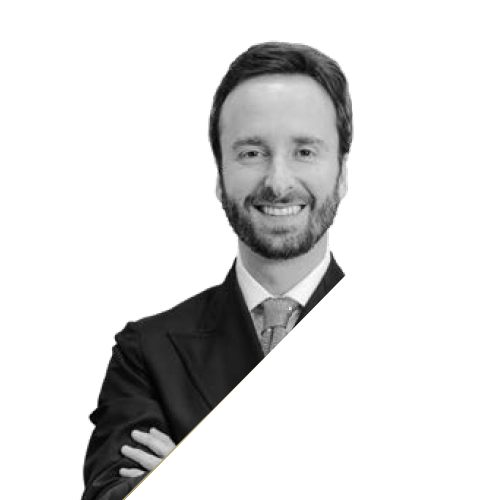
Plastic surgeon in Paris. He specialises in facial rejuvenation and is an expert in regenerative medicine and surgery. He combines technological innovation with surgical expertise to achieve natural results. He is a member of SOFCPRE.