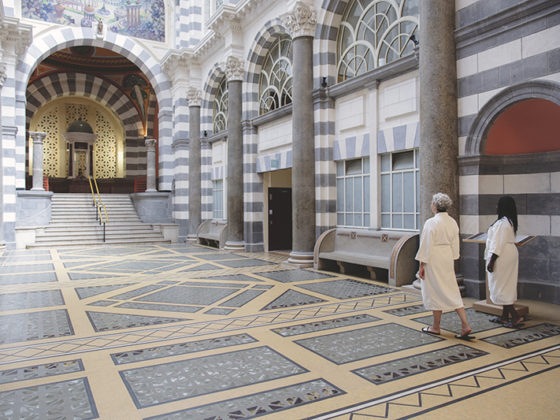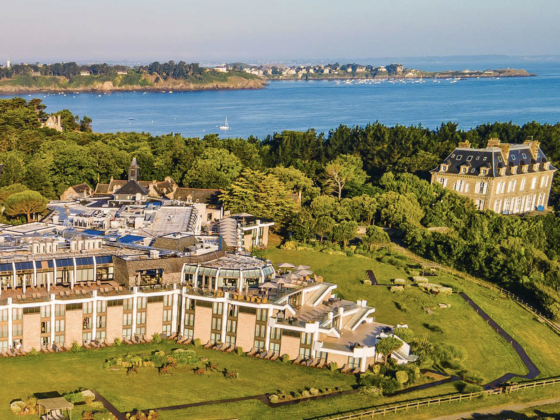
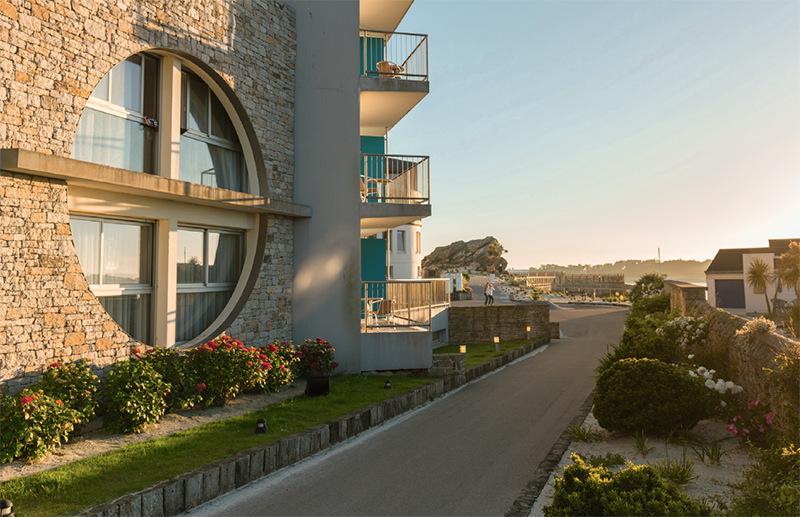
As the birthplace of thalassotherapy, the Valdys Resort Roscoff stands on the very site where Dr. Louis Bagot laid the foundations of the discipline over 125 years ago.
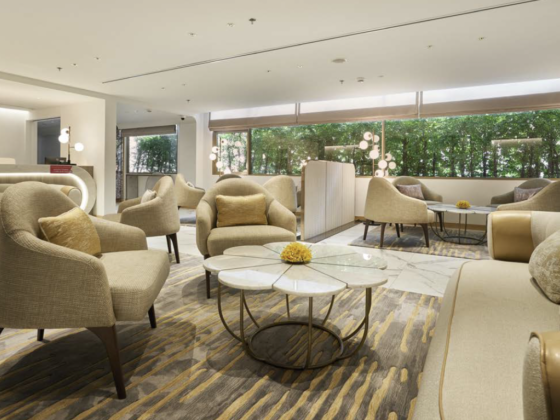
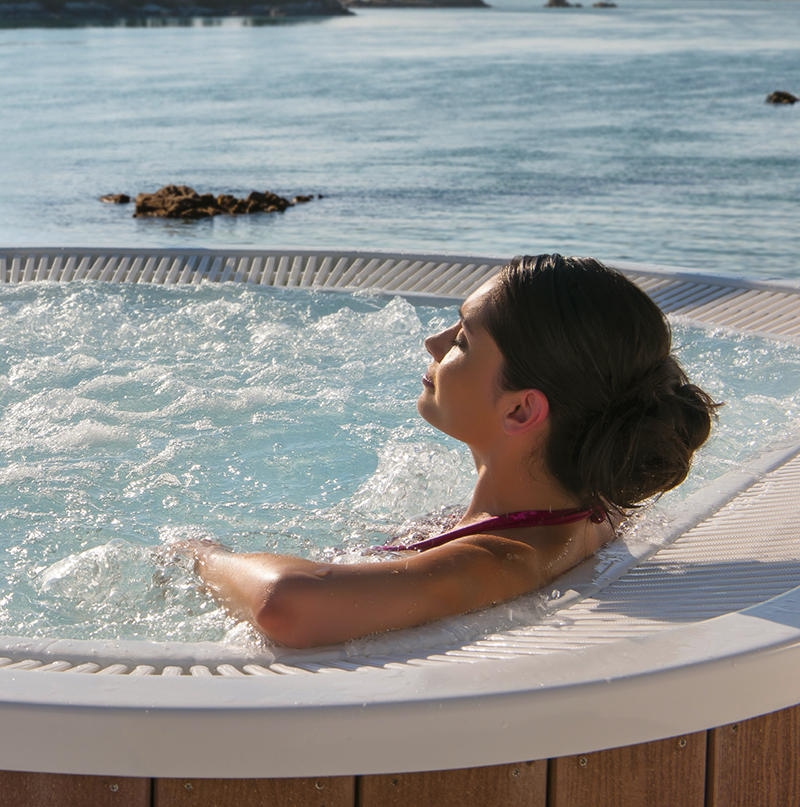
Facing the island of Batz, this iconic location blends heritage with innovation, harnessing the benefits of the sea for health and well-being. Supported by a team of experts—including a micronutritionist physician and a dietitian—guests benefit from a holistic approach within an exceptional setting, where every stay is designed as a true opportunity to recharge.
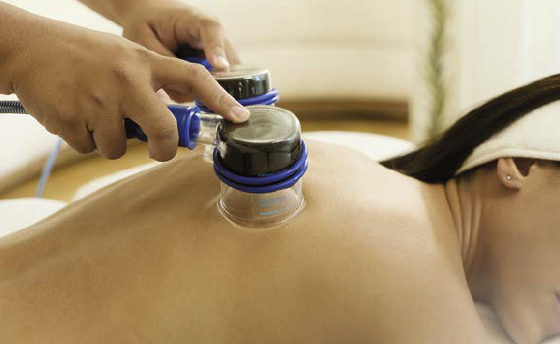
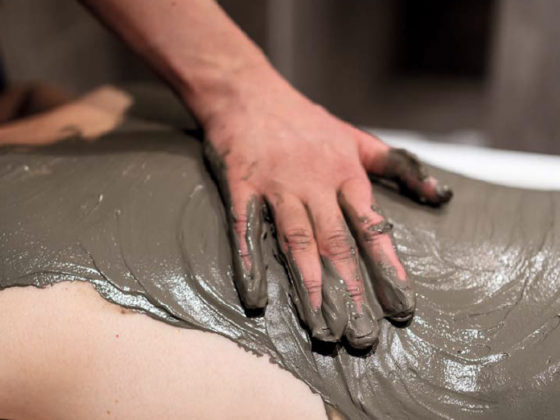
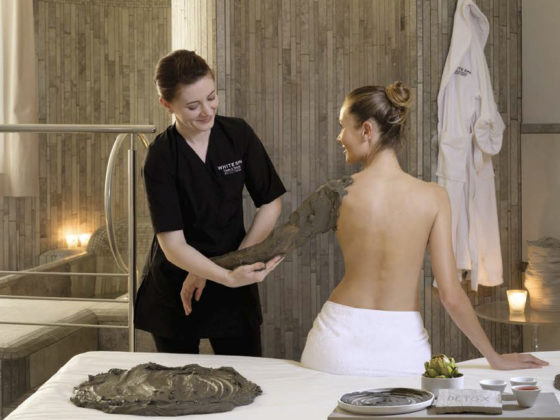
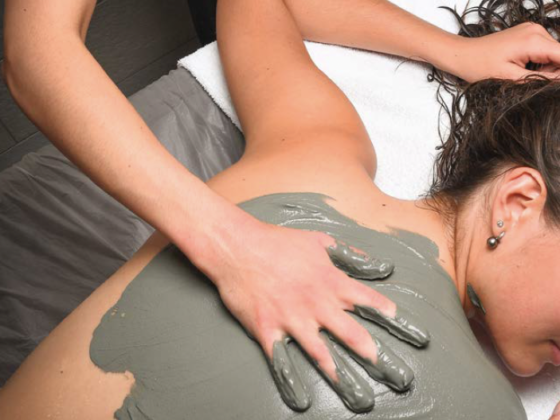
Personalised nutrition is a key feature of many programmes, such as the Post-Breast Cancer recovery course and the recently introduced Bio-Hacking programme, which aims to optimise physical and cognitive performance. The itinerary includes massages, hydromassage baths, and seaweed wraps for rejuvenation, all complemented by a balanced diet that replenishes minerals and trace elements, thereby boosting immune defenses. A dietary consultation allows for the creation of a nutritional plan tailored to each guest.
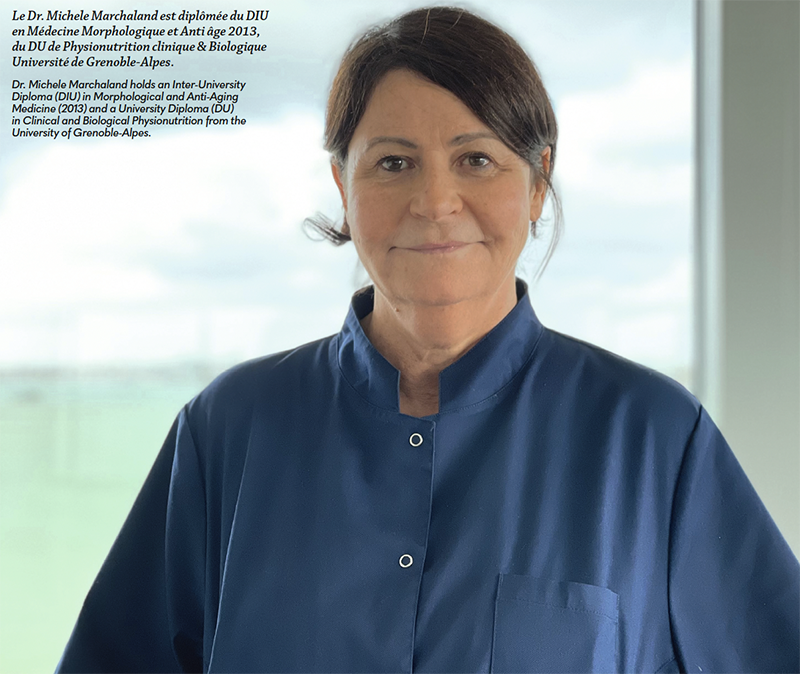
We took the opportunity to ask Dr. Marchaland—a specialist in micronutrition and anti-aging medicine—about the effects of cortisol on our health, a subject close to her heart. Dr. Michele Marchaland: “Cortisol is a hormone essential to our balance; its secretion follows a precise circadian rhythm, peaking in the morning upon waking to get us moving and dropping lower at the start of the night to facilitate sleep. The problem, therefore, lies not with cortisol itself but with its dysregulation—specifically, chronic excessive secretion during acute or moderately prolonged stress, or conversely, the exhaustion of the adrenal response observed in some patients following prolonged chronic stress (lasting months or years).” Indeed, cortisol is often blamed for a host of ills, particularly on social media. It is said to be responsible for weight gain, fatigue, stress, and even burnout. Dr. Michele Marchaland: “It is important to understand that cortisol is a hormone produced by the adrenal glands that helps regulate blood sugar levels and the immune system. It is often misunderstood because it is labeled the ‘stress hormone’; however, it is worth remembering that it is secreted when the body triggers an evolutionary response to a threat. In that sense, it is beneficial. However, high cortisol levels can become harmful. Here are some simple daily habits to help ‘regulate’ cortisol:
- Exposing yourself to natural light for a few minutes in the early morning helps synchronise the physiological cortisol peak with your sleep-wake cycle.
- Stabilising your sleep and meal schedules (consistency is one of the most powerful ways to maintain a normal circadian cortisol rhythm).
- Staying active, but at an intensity suited to your fatigue level; moderate-intensity physical activity lowers cortisol, whereas repeated, very intense exertion without suf cient recovery can actually keep levels high.
- Practising slow breathing or cardiac coherence (which stimulate the parasympathetic nervous system and dampen the stress response).
- Eating a balanced diet—speci cally meals rich in protein and ber—to prevent drops in blood sugar, which trigger cortisol secretion.
- Limiting caffeine intake later in the day.
- Prioritising deep sleep to stabilise sleep architecture; avoid alcohol, blue light, and heavy meals in the evening.
- During thalassotherapy retreats, immersion in natural marine environments is linked to reduced stress and anxiety and improved mood, thanks to sensory stimulation and parasympathetic activation. An increase in restorative deep sleep is also observed.
Dr. Michele Marchaland: “Thalassotherapy treatments that combine heat, water pressure, and a slow pace are the most well-documented: bubble and hydromassage baths, affusion showers, warm seaweed wraps, and massages under affusion showers. Stepping away from the work environment, maintaining a regular schedule, and diet also play a major role. Beyond the treatments themselves, seawater and the marine climate—rich in trace elements, minerals, iodine, and negative ions—have a relaxing effect and help revitalise the body. The sound of the waves, the quality of light, and the iodine-rich air contribute to this effect just as sophrology or cardiac coherence do. Thalassotherapy can therefore be viewed as a tool for managing chronic stress and inflammation, complementing a micronutritional approach (magnesium, B vitamins, omega-3s, blood sugar regulation). The marine environment activates the parasympathetic nervous system, leading to a reduction in cortisol; micronutritional support prolongs and consolidates this effect.»
References
Gascon M, Zijlema W, Vert C, White MP, Nieuwenhuijsen MJ. Outdoor blue spaces, human health and wellbeing: A systematic review of quantitative studies. International Journal of Hygiene and Environmental Health. 2017 Nov;220(8):1207-1221). Effects of balneotherapy on stress, anxiety, and depression: results of a multicenter randomized controlled trial with six-month follow-up, BMC Complementary Medicine and Therapies, 2026. https://link.springer.com/ article/10.1186/s12906-026-05323-4 Balneotherapy as a Complementary Intervention for Stress and Cortisol Reduction: Findings from a Randomized Controlled Trial, Brain Sciences, 2025. Balneotherapy and cortisol levels: an updated systematic review and meta-analysis, International Journal of Biometeorology, 2024. https://link.springer.com/article/10.1007/s00484-024-02721-6
Adresse
VALDYS RESORT ROSCOFF – HÔTEL, THALASSO & SPA
16 Rue Victor Hugo, 29680 Roscoff thalasso.com/destination/roscoff
Pictures: © EMMANUEL BERTHIER / © CÉCILE LANGLOIS / © PHILIPPE MARCHAND