Dr Charles Botter
Aesthetic medicine is evolving towards a global approach in which appearance, prevention, physical function and mental well-being contribute to the same vision of healthy aging.
Long focused on correcting visible signs of aging, aesthetic medicine is progressively becoming a medicine of the patient as a whole. At Clinique du Corps, this approach means integrating prevention, metabolic health, tissue quality, physical function and mental well-being. For a long time, our practice was structured around a simple request: to correct what can be seen. This approach remains legitimate, but it now seems insufficient to me if we truly want to support patients over time. My vision of longevity is not a search for eternal youth. It is about preserving, for as long as possible, what determines quality of life: energy, mobility, cognitive abilities, psychological balance, tissue quality, autonomy and a peaceful relationship with one’s own image. It is around this conviction that I have built my practice. At Clinique du Corps, aesthetics is not considered an isolated discipline, but one component of a broader, preventive and integrative approach to the patient.
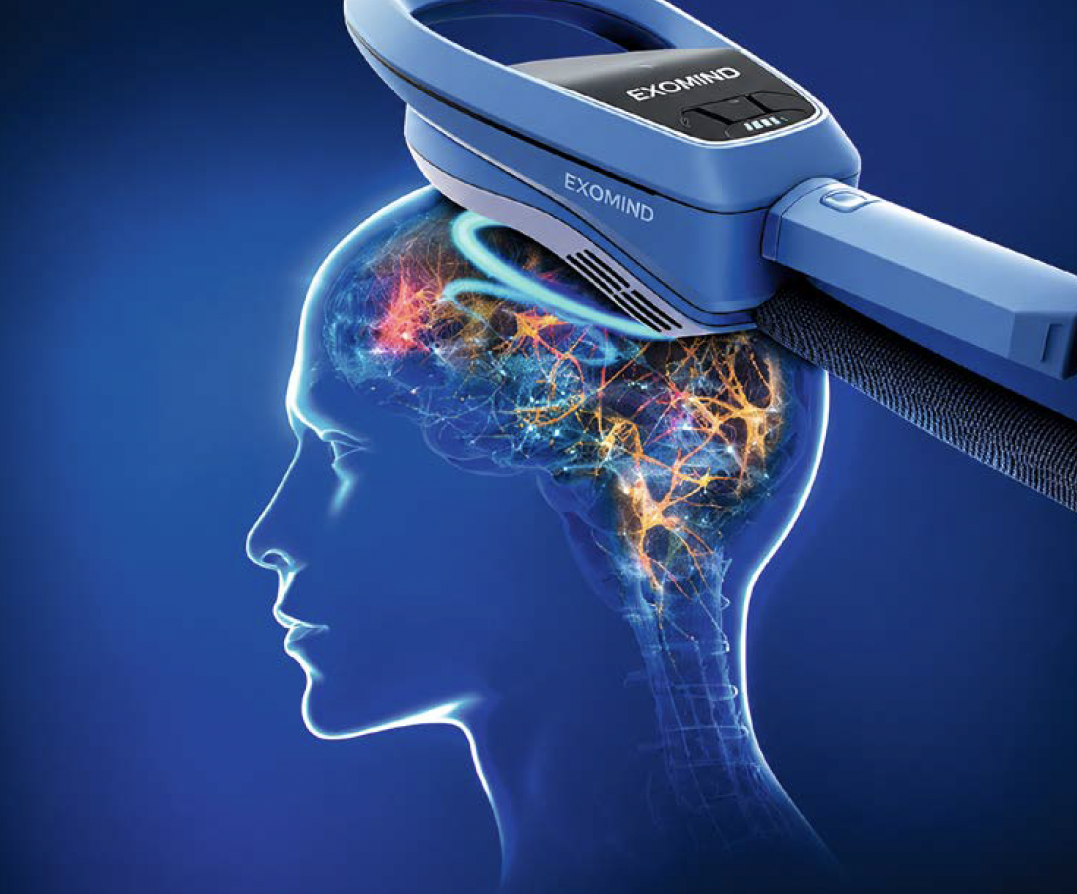
Appearance matters because it contributes to identity and self-esteem, but it cannot be separated from sleep, stress, metabolic health, body composition, physical activity or brain function. I increasingly try to bring these dimensions together within one pathway rather than simply adding procedures. This approach also requires us to pay greater attention to mental well-being. A patient never comes to us with only a skin, a face or a silhouette: they also come with a personal history, expectations, and sometimes fatigue, anxiety or a loss of confidence. The aim is not to turn aesthetic medicine into psychiatry, but to acknowledge that psychological well-being affects self-perception, engagement with care and the way each person experiences aging. This reasoning led me to take an interest in neuromodulation and, more recently, to integrate EXOMIND into my practice. I do not see it as an aesthetic treatment or as a stand-alone answer, but as an additional tool within a broader strategy of well-being and longevity.
It has found a particular place in my perioperative approach. I believe that everything surrounding surgery is almost as important as the procedure itself: patient preparation, stress levels, sleep, recovery and the way the postoperative period is experienced all contribute to the overall quality of care. I have therefore incorporated sessions into selected postoperative protocols when I feel they may be relevant, as part of a broader approach to recovery. I also offer individual sessions outside a surgical pathway, either when patients express a need or when, during consultation, I identify that they may potentially benefit from this approach. I do not hesitate to raise the subject proactively when it seems appropriate. To me, this is part of the physician’s role: not only responding to the patient’s stated request, but also remaining attentive to less visible factors that may influence overall well-being. The value of EXOMIND is therefore both practical and conceptual: it brings the brain and mental well-being into a pathway in which we were already considering the skin, tissues, metabolism and physical function. This integration must nevertheless remain rigorous. Technology cannot replace clinical listening, sleep, physical activity or nutrition, nor specialist care when it is required. It can, however, broaden our perspective and help us move beyond medicine organised in silos. I believe this is where the future of our discipline lies: preserving the technical standards of plastic surgery and aesthetic medicine while integrating them into a medicine of healthy aging, in which science, beauty, prevention, physical function and mental well-being finally interact.
Longevity is neither about simply adding years to life nor erasing the signs of time. It is about preserving function, autonomy, balance and one’s relationship with oneself. Aesthetic medicine has, in my view, a natural place in this evolution, provided that we are willing to look beyond appearance.
Dr Charles Botter
Plastic surgeon, founder of Clinique du Corps in Lannion, France. His practice combines plastic surgery, aesthetic and regenerative medicine, and prevention, within an approach to longevity focused on tissue quality, physical function and overall well-being. More info