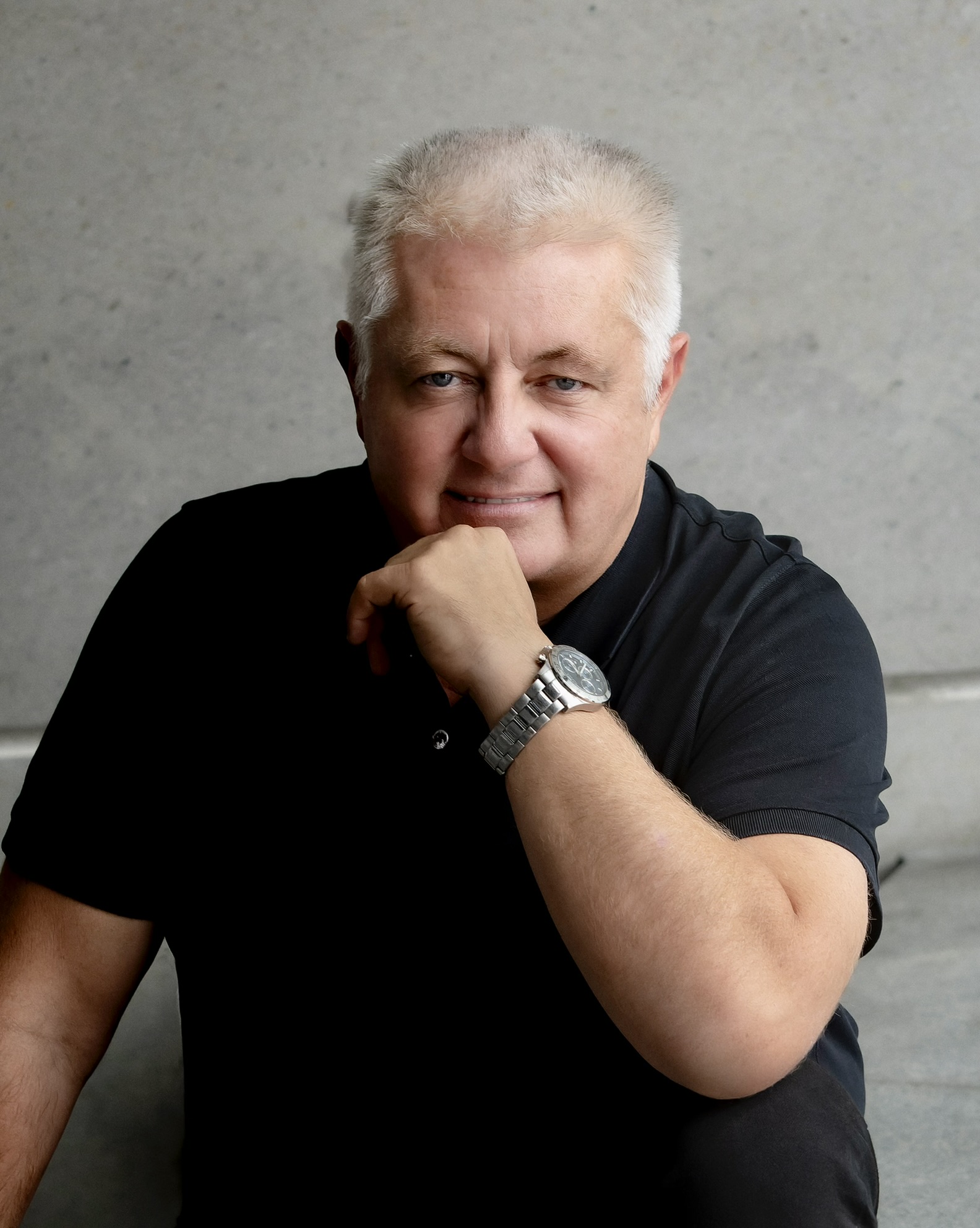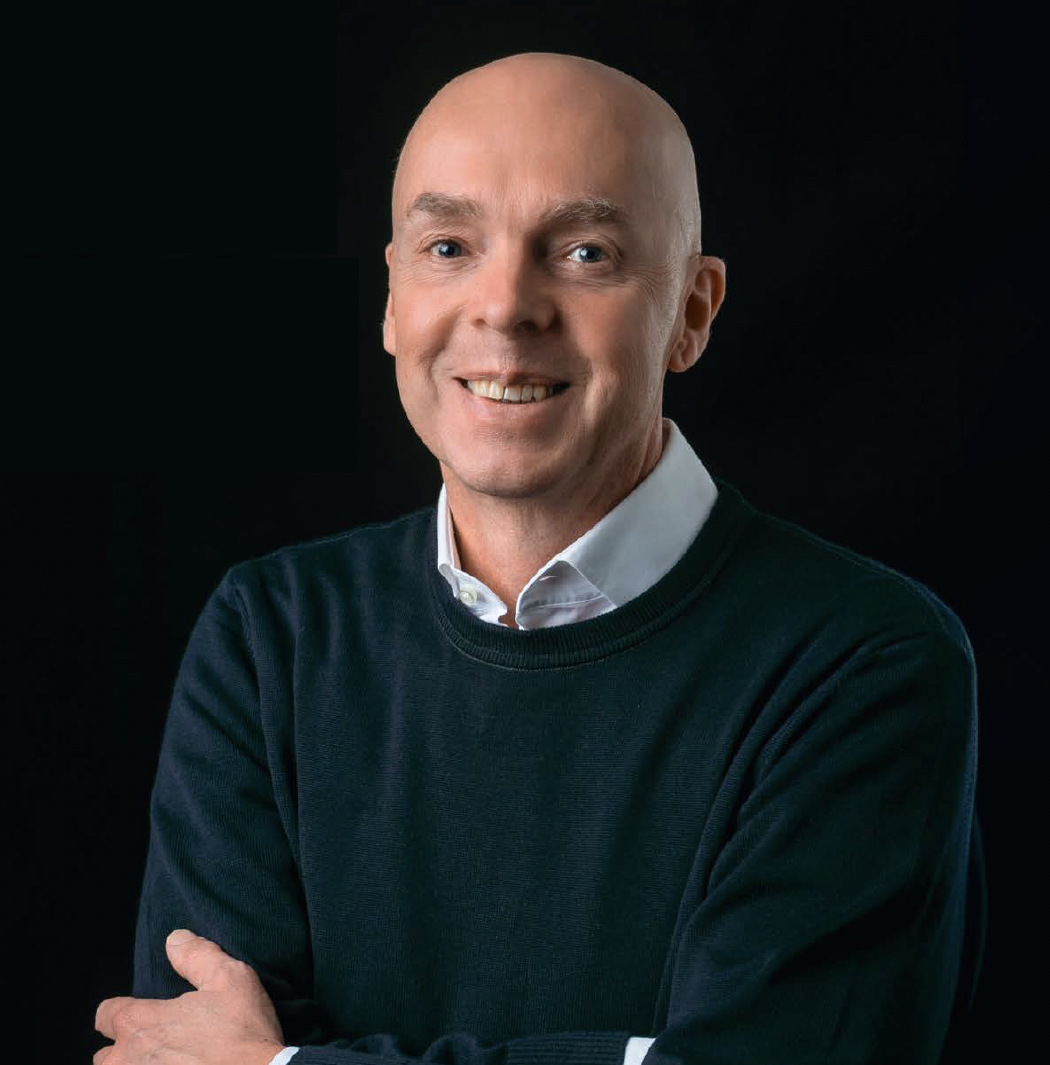
Drawn to surgery from a young age, a silent pull.
A visceral need to rebuild
I was ten years old when my father, a mechanic on an American army base, had an accident involving a broken windscreen. The shards of glass severed the nerves and tendons in his wrist, so he was no longer able to use his hand. For years I took care of him, graft after graft, hope turning to frustration, watching the surgeons try to give him back what had been taken away. That was a decisive time for me: I knew from a young age that I wanted to be a surgeon. It was a promise I had made to myself, born from a profound need to repair, not only what had happened to my father, but also other people.
Captivated by anatomy, I became a professor at the Bichat Beaujon faculty. I then started my career in general surgery, a complicated and demanding specialisation, which requires extremely high standards. This discipline trained me in the most important aspects of surgery: accuracy and dexterity, the ability to make quick decisions, having high expectations for oneself. I then moved into cancer treatment, a phase that had a profound impact on my career. In this specialisation, you need to remove things in order to save lives. I had to perform a large number of mastectomies, and every time I had to face the violence of this vital operation. Behind the techniques, I could see the women, their story, their fragility, their strength. While “removing to cure”, I felt an almost visceral need to rebuild.
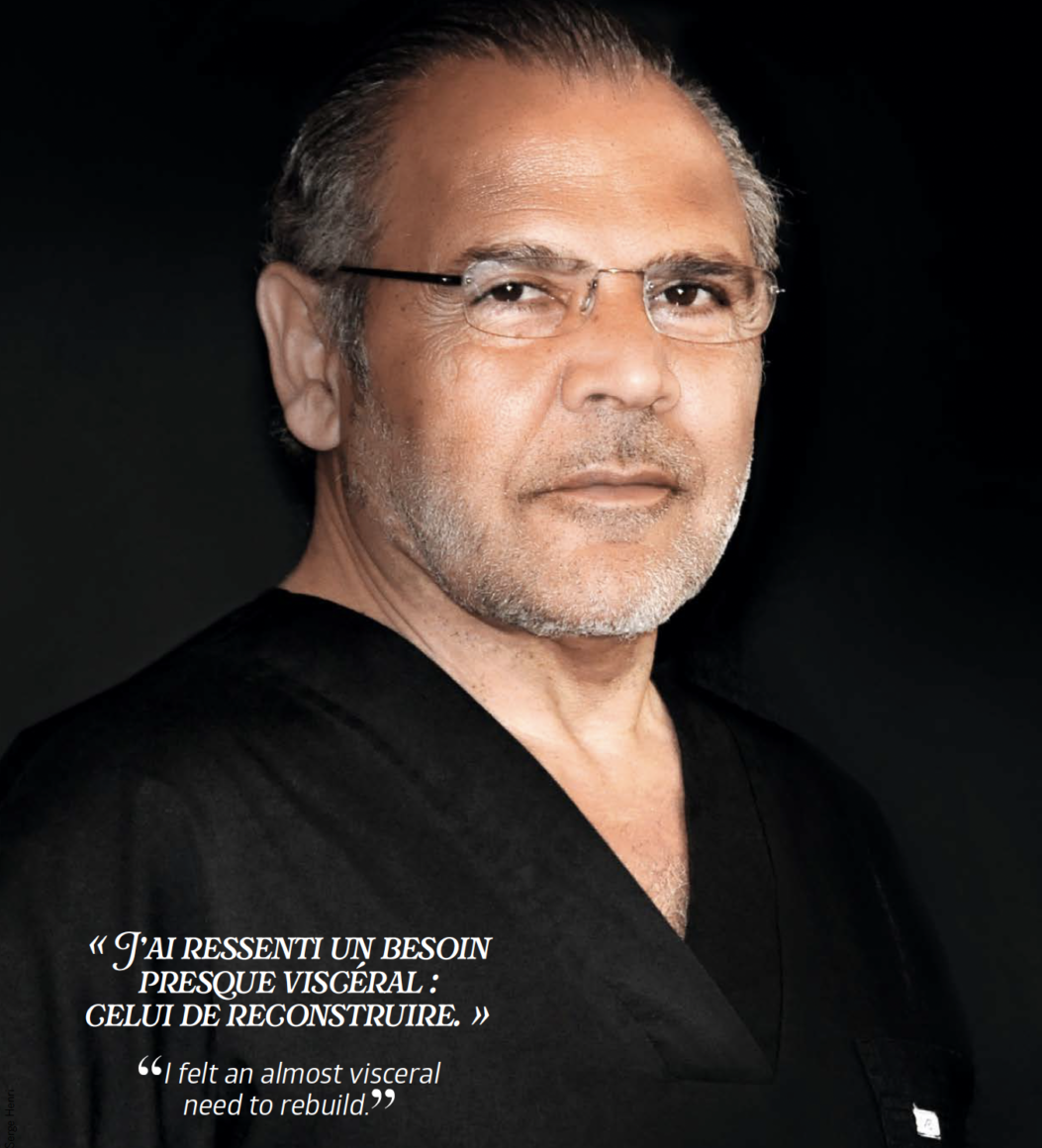
Plastic surgery was therefore the most logical next step for me, a natural continuation of my personal and professional journey. In this discipline, I have found the perfect balance: surgery that restores, that repairs, a type of surgery in which the most cutting-edge techniques are combined with the most intimate human dimensions. In restoring my patients’ image, femininity and confidence, I feel that I have found my place, and this is where I truly feel like a surgeon.
My mentors are both my professors and my patients
I have been lucky enough to train in France, the United States, Brazil and Isreal with demanding, enthusiastic teachers who were firmly focused on perfecting our skills and ensuring patient safety. Some of my professors at the university hospitals, such as Prof Ady Steg and Prof Yvo Pitanguy, had a clear impact on my career by teaching me that experience is worth nothing if you don’t pass it forward. In France, the lifting techniques developed by Prof Vladimir Mitz greatly inspired me. But in the end, my real mentors are my patients, the people who make me think outside the box, adapt and innovate.
I wanted to buy a clinic so I could practise in the best possible conditions
The idea of buying my own clinic was born from a conviction I had at age 30: in order to practise safe, modern aesthetic surgery to a high standard, I needed to be in an environment that lifted me up. I wanted to create a place where comfort, ethics and stringency go hand in hand. La Clinique Eiffel was born from this vision: offering an incredibly safe environment, equipped with the most advanced technologies, with committed and highly trained staff who uphold the highest safety standards. But becoming a clinic director also requires you to realise that you are not only working with your hands, you also have to work with staff, organisations, supervisors, and with important human and administrative obligations. With the other surgeons (there are currently around fifty of us, making it one of the largest clinics in France and in Europe), I maintain a relationship based on trust and high standards. We are never in competition with one another. We share the same technical platform, the same values, the same goals: surgery that is ethical, modern and safe.
How would you like to be remembered?
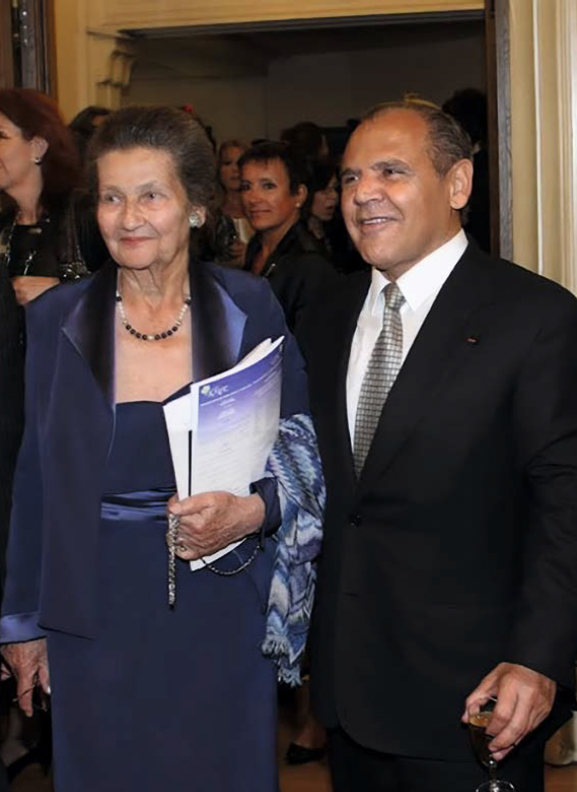
I’d like to be remembered for promoting natural-looking surgery that respects the patient, far from the exaggerated clichés. There is also something that has been fundamental for me since I was a teenager: humanitarian commitments. I have always believed that surgery should go beyond the walls of the operating theatre. At age 14, I was already involved in philanthropic actions and this motivation has never left me. Using my skills to help people who have nothing, but whose need is vital, has always guided my choices. I had the honour of taking part in missions in very badly-affected areas: Darfur, Haiti after the earthquake, South Sudan, the Ivory Coast to treat children with Noma disease, and humanitarian programmes in Ethiopia and Jerusalem. I also went out to treat the victims of the 7th October attacks, as I am a professor at the Hadassah hospital in Jerusalem. Every time, I was reminded of what’s truly important: human dignity, vulnerability and my responsibility as a surgeon. During the COVID pandemic, I was also involved in the “500 000 masques” initiative to provide free protective equipment to hospitals and retirement homes in the Ile-de-France region. Spiritually, Einstein and Spinoza nourish my thoughts, as I would describe myself as agnostic.
The future is exciting
Robotics, artificial intelligence, 3D imaging, prediction simulation… All of these will revolutionise the way in which we assess, plan and carry out our operations. I envy young surgeons who are just starting out and who will be able to explore this new world. But one thing will never change: human relationships. No technology will ever be able to replace a human’s attentive ear, clinical judgement, artistic sensitivity. AI will always be a tool, not an intention.
Family holds an essential place in my life
My family guides and supports me. Outside of work, I enjoy simple pursuits, such as skiing and tennis. Writing holds a special place in my heart. I have just published a book called “Chirurgien de l’Âme” (Surgeon of the soul). It’s a soul-searching book that looks back on my forty-year career, forty years of faces, of life stories, of emotions. In it, I explain that plastic surgery is not just surgery of the body but also of the soul. Behind every technical gesture, there is a human story, an expression to rebuild, confidence to boost. This book summarises everything that my work has taught me: repairing someone’s body sometimes also requires us to help the person to find themselves again. My favourite film? “Saving Private Ryan”! What really touched me about that story was the idea that an entire army – almost an entire nation – rallied round to save one man. Even though the man in question might already have been dead, they believed that his life mattered, that he deserved people to fight for him. It is a very strong vision of what loyalty, duty and human dignity truly mean. My favourite book? Without a doubt, “The Unbearable Lightness of Being” by Milan Kundera!
Where to find him? Clinique Ei el, 6 Sq. Pétrarque, 75116 Paris