Arash Younessi
Patients visit aesthetic clinics with a clear awareness that injection involves pain, especially the sharp sting of the needle piercing the skin.
This moment of discomfort cannot be prevented by adding anaesthetic into the syringe, it occurs before the product is even delivered. For this reason, the integration of anaesthetic such as lidocaine into dermal Implants has always been an attempt to address a secondary concern: reducing the sensation once the Implant begins to spread into the tissue.
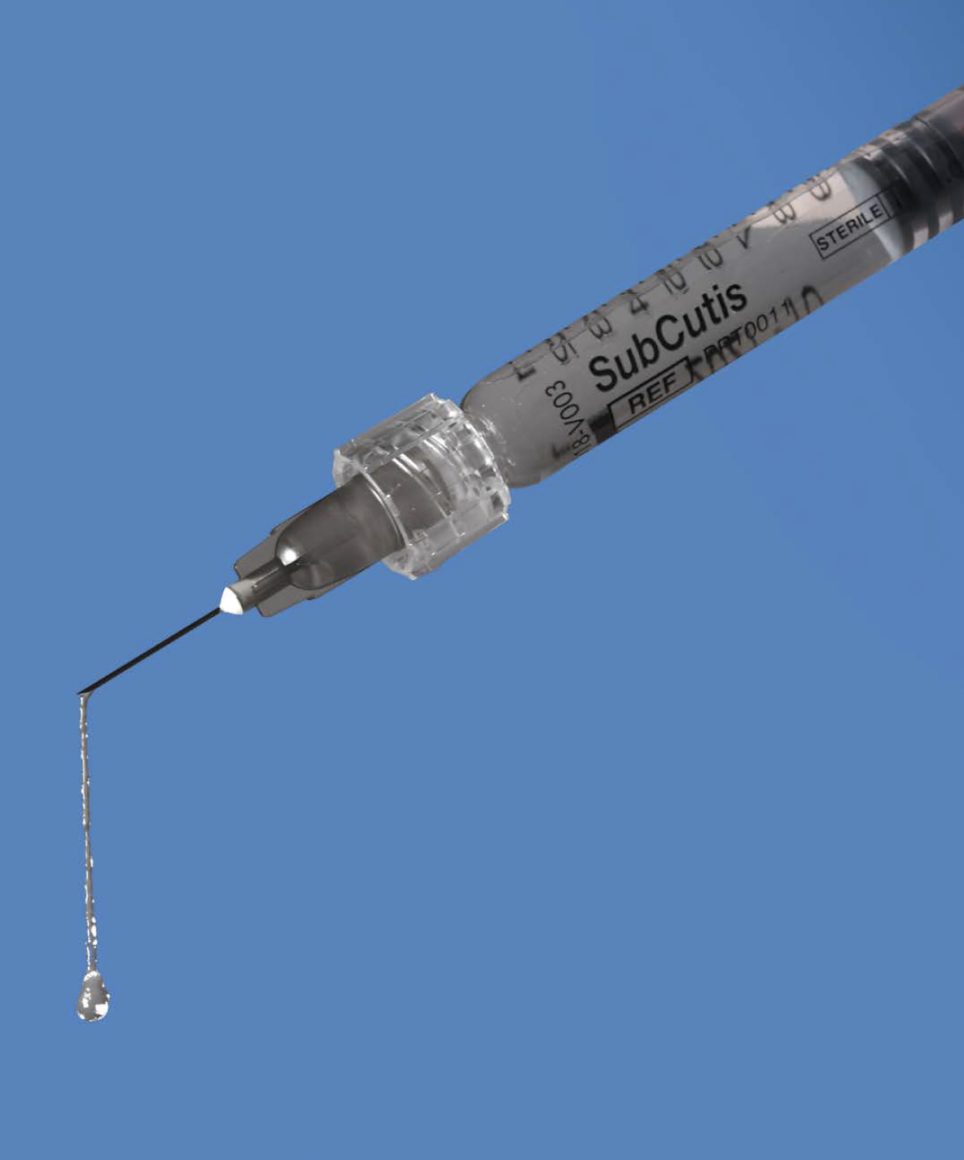
Hyaluronic Acid (HA) Implants are different in nature from anaesthetics. HA is a substance we all have in our bodies, biologically derived material, produced by biofermentation, biocompatible, and naturally degradable. Local anaesthetics, on the other hand, are synthetic chemical compounds with their own pharmacologic profile, side-effect spectrum, and regulatory implications. When combined, the purity of HA is altered, and physicians inherit both the benefits and the drawbacks of this hybrid. This article outlines why many practitioners consider anaesthetic-free HA Implants not just an acceptable option, but often the safer, simpler, and more versatile choice.
Pain and Patient Experience
The sharp pain at the moment of needle entry cannot be prevented by pre-mixed anesthetics in Implants. Comfort measures such as topical anaesthetic creams, vibration devices, cooling packs, or regional nerve blocks are already widely available and highly effective. These approaches have the advantage of being under the physician’s control, tailored to the specific procedure and patient sensitivity. In practice, many physicians also prefer adding anaesthetic themselves when necessary. This provides targeted relief where needed, without obligating every injection, in every indication, to contain anaesthetic by default.
Clinical Advantages of Purity

1. Reduced Risk of Adverse Reactions
While true allergic reactions to lidocaine are rare, they do exist. By avoiding anaesthetic additives, physicians remove even the slight possibility of allergic or hypersensitivity reactions. Moreover, immediate local reactions to anaesthetic, such as temporary swelling or tissue distortion, can complicate the evaluation of symmetry directly after injection.
2. Clearer Assessment of Aesthetic Results
Anesthetic infiltration, whether delivered locally or via pre-mixed formulations, can distort soft tissues temporarily, creating swelling or unevenness that masks the true outcome of the procedure. With anaesthetic-free Implants, physicians see the real, immediate effect of their injection and can adjust technique accordingly.
3. Greater Clinical Flexibility
Without anaesthetic in the syringe, physicians retain the freedom to choose their preferred method of pain control or to forgo it altogether when patients tolerate injections well. This flexibility supports a more individualised treatment plan.
4. Restrictions and Limitations
Products containing anaesthetic are subject to longer registration processes and, in some countries, restrictions on which practitioners may use them. Anaesthetic-free Implants avoid these hurdles, making them more universally accessible while reducing administrative delays.
When anaesthetics Are Useful
There is no denying that anaesthetics have their place. Injections in sensitive areas, such as the lips, are often more comfortable when the Implant itself contains an anaesthetic. Some practitioners and patients value this convenience. However, high volumes of HA Implants are used for facial augmentation and contouring, in regions such as the cheeks, chin, and jawline, where little to no anaesthetic is typically required. Contrary to the lips where anaesthetic support can be beneficial, the total Implant volume injected is relatively little. This creates an imbalance: the same amount of anaesthetic is delivered regardless of whether the indication truly requires it. The principle is further illustrated by Body Implants, which are generally formulated without anaesthetic being used in larger volumes. HA Implants without anaesthetic offer a clear set of advantages: reduced risk, greater flexibility, formulation integrity, and regulatory simplicity. Patients already understand that needle injections involve a degree of pain, and physicians are equipped with a wide range of tools to manage it effectively.
By choosing Implants that emphasise purity, clinicians can ensure safety, maintain control over anaesthetic protocols, and preserve confidence in product performance. In an evolving field where trust and predictability are paramount, the case for purity remains compelling.
Arash Younessi

CEO and Founder of NovaCutis GmbH (former NovaCutis, Inc.) since 2013, with a Masters in medical engineering and MBA. I have been working in the medical device field since 2001. Specialisation in the aesthetic field of HA Implants as well as MESO therapy since 2008. Conducted hundreds of workshops and hands on trainings globally. Medical Aesthetics is my passion.
More: novacutis.com