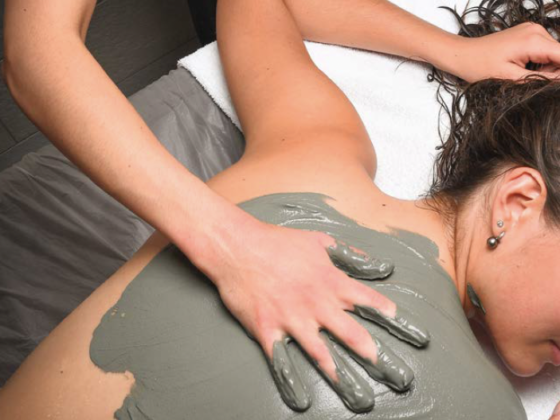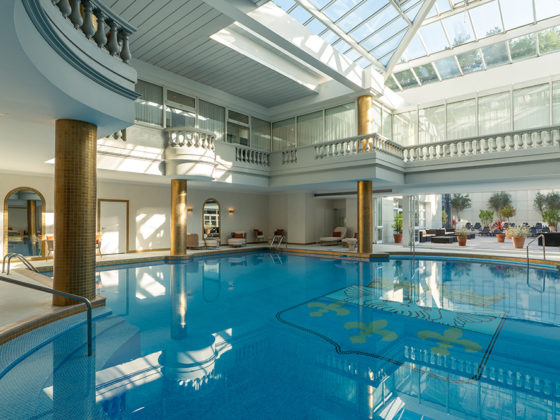
In Bangkok, VitalLife Scientific Wellness Center advocates a scientific, personalised approach to longevity medicine integrated within the Bumrungrad hospital environment.
PRECISION MEDICINE IN SUPPORT OF HEALTHSPAN
Since 2001, VitalLife Scientific Wellness Center has accompanied the evolution of anti-aging medicine towards a science-led model of preventive and longevity medicine. Its ambition is to go beyond treating disease and act upstream to optimise healthspan – the years lived in good health – by combining advanced diagnostics, precision medicine and integrative interventions. Today, the centre structures its approach around the biological mechanisms of aging and an individualised interpretation of data: blood biomarkers, genetics, multi-omics, hormones, micronutrients, epigenetic clocks and data from wearable devices. Prof. Dr Polakit Teekakirikul frames around one objective: understanding each individual’s biology more precisely in order not simply to live longer, but to live longer in good health.
ANTI-AGE & LONGEVITY MAGAZINE: How would you define VitalLife’s medical positioning today?

PROF. DR POLAKIT TEEKAKIRIKUL: We define ourselves as a hospital-grade scientific wellness centre. Our approach is based on three principles: science and evidence to guide diagnostics and interventions; precision and personalisation, because we do not believe in a “one size fits all” approach; and our integration within the hospital, with a shared electronic medical record.
AALM: What role does artificial intelligence play in longevity medicine?
PROF. DR P.T.: AI acts as a co-pilot: it helps organise and interpret the data in order to support clinical decisionmaking. It will also have an increasing role in drug discovery and drug repurposing.
AALM: Are wearable devices really changing patient follow-up?
PROF. DR P.T.: Monitoring should no longer be episodic. We can monitor heart rate, heart-rate variability and, in some patients, glucose continuously. This feedback loop between the patient, coach and physician makes follow-up far more dynamic.
AALM: What does a VitalLife longevity programme look like in practice?
PROF. DR P.T.: We favour support over several months, sometimes up to a year, because sustainably changing lifestyle and biology takes time. The journey begins with a 360-degree assessment to establish a baseline. We then build personalised recommendations: lifestyle, vitamins and supplements where indicated, exercise, as well as support through our virtual health coach and mobile app. We are following a trajectory rather than providing an isolated intervention.
AALM: You also refer to SevenAge as a way of assessing biological age. What is its value? PROF. DR P.T.: The aim is to have a simple indicator that allows biological age to be compared with chronological age and, above all, to identify the parameters on which action can be taken. SevenAge uses data from a blood sample, analysed by an algorithm, to estimate biological age. The result is not an end in itself: it provides a starting point for personalised lifestyle recommendations and, where necessary, referral to a specialist. Repeating the assessment then makes it possible to observe changes over time.
AALM: How do you ensure continuity of care for international patients?
PROF. DR P.T.: After the stay in Bangkok, follow-up can continue through telemedicine, the VitalLife app and the health coach. Our certified coaches facilitate communication, adherence to recommendations and feedback to the medical team. The aim is for the relationship not to end when the patient leaves Bangkok.
AALM: What place does aesthetics have within a longevity strategy?
PROF. DR P.T.: VitalLife brings together wellness and skin and aesthetic medicine because we believe that outward appearance should be considered alongside what is happening internally. Lasers, injectables or topical treatments are only part of the answer. Our Skin Longevity Program combines biological assessment, lifestyle, technology and dermatological expertise to understand the person behind the skin and build a coherent, sustainable programme.
AALM: How do you personalise programmes according to age and sex?
PROF. DR P.T.: Some needs are specific. In women, perimenopause or menopause can change priorities, particularly hormonal or aesthetic ones. In men, concerns may focus on energy, physical performance or hair loss. But we also take age, nationality, ethnicity and biological profile into account. A person in their thirties does not have the same expectations as someone in their fifties or sixties.
AALM: What do you think longevity medicine will look like in ten years?
PROF. DR P.T.: It will increasingly rely on continuous data and artificial intelligence. We will move towards digital twins combining blood biomarkers, genetics, wearable data and imaging. The objective will be to understand individual biology more precisely in order to guide prevention and interventions. Longevity should not be regarded as a one-off act, but as an evolving form of support designed to preserve healthspan and quality of life.
Asst.Prof.Dr. Polakit Teekakirikul
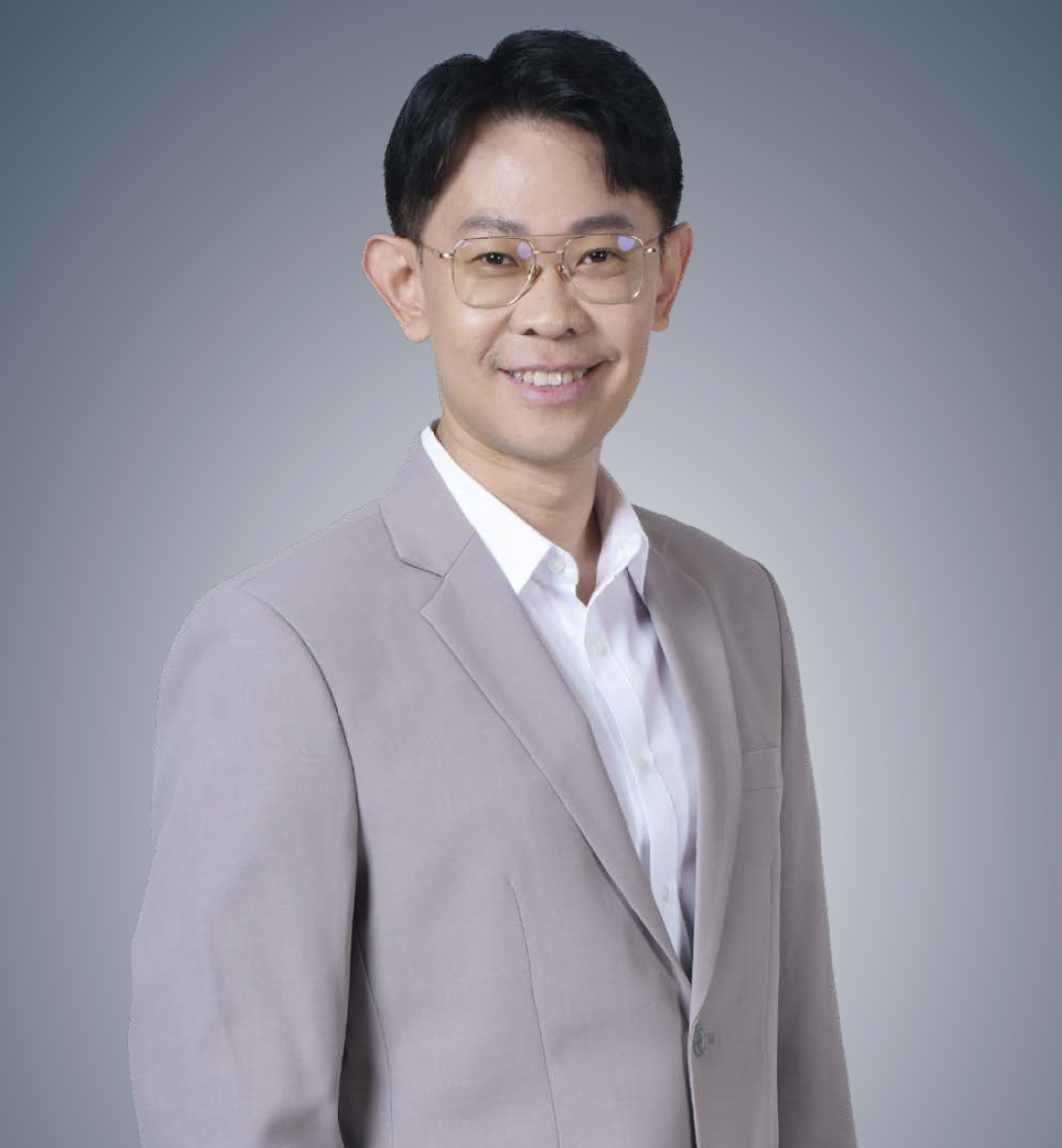
Chief Executive Officer of VitalLife and Esperance, and Chief Science Officer of Bumrungrad International Hospital and VitalLife. With medical expertise notably in cardiovascular and genetic diseases, he advocates a scientific and integrative vision of longevity based on prevention, precision medicine, advanced diagnostics, artificial intelligence and continuous monitoring. At the helm of VitalLife, he is helping drive the evolution of anti-aging medicine towards a personalised approach focused on preserving healthspan and quality of life.