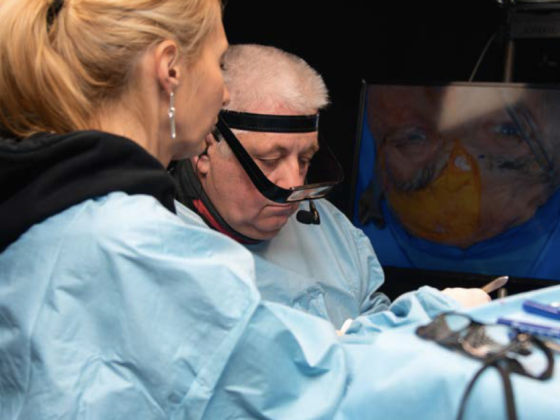
Dr Zoran Rizinski

Body contouring following massive weight loss induced by GLP-1 receptor agonist treatment is undergoing significant evolution.
The widespread use of glucagon-like peptide-1 receptor agonists (GLP-1 RAs), including semaglutide and tirzepatide, has transformed the treatment of obesity by enabling substantial and sustained weight loss in a growing number of patients. As a result, plastic surgeons are increasingly encountering individuals seeking surgical correction of redundant skin and soft tissue deformities that develop after rapid and significant weight reduction. This emerging patient population presents unique challenges that differ from those observed following bariatric surgery.

Massive weight loss induced by GLP-1 therapy often results in excess skin, loss of soft tissue volume, impaired body contour, and decreased skin elasticity affecting the abdomen, breasts, arms, thighs, buttocks, and face. Although these patients frequently achieve remarkable improvements in metabolic health and quality of life, the remaining soft tissue deformities may negatively influence body image, physical function, hygiene, and psychological wellbeing. Consequently, body contouring surgery has become an essential component of comprehensive obesity treatment. Successful surgical management requires careful patient selection and meticulous preoperative assessment. Candidates should demonstrate stable body weight for at least three to six months, adequate nutritional status, realistic expectations, and optimisation of any obesity-related comorbidities. Since GLP-1 receptor agonists delay gastric emptying, perioperative management has gained increasing attention because of the potential risk of regurgitation and pulmonary aspiration during anaesthetic.
Current recommendations emphasise individualised assessment and appropriate coordination between the plastic surgeon, anaesthetist, and prescribing physician. Body contouring procedures following GLP-1-induced weight loss include abdominoplasty, circumferential body lift, brachioplasty, thigh lift, mastopexy with or without augmentation, lower body lift, and facial rejuvenation procedures. Surgical planning should be individualised according to the patient’s residual deformities, skin quality, and overall health status. In selected patients, staged procedures may reduce operative risk and improve postoperative recovery. Despite the growing popularity of GLP-1 therapy, evidence regarding long-term outcomes of postweight-loss body contouring in this population remains limited. Future research should evaluate complication rates, wound healing, patient satisfaction, aesthetic outcomes, and quality-of-life improvements compared with patients who undergo bariatric surgery.

As GLP-1 medications continue to redefine obesity management, plastic surgeons will play an increasingly important role in completing the reconstructive journey of these patients. A multidisciplinary approach, careful perioperative planning, and individualised surgical strategies are essential for achieving safe procedures, durable results, and high patient satisfaction.
Dr Zoran Rizinski

Reconstructive and Aesthetic Surgeon with extensive experience in aesthetic facial and body surgery, specialising in advanced breast surgery and body contouring. International speaker and educator, actively involved in training surgeons and promoting evidence-based surgical techniques.